Pay Online

What Actually Happens During Your Dental Bridge Procedure

If you’re missing one or more teeth, a dental bridge can restore your smile and your confidence. Understanding what actually happens during your dental bridge procedure in Greeley helps ease any anxiety before you sit in the chair. At Luker Dental Greeley, Dr. David Luker and the team walk every patient through the process clearly and compassionately. You’ll never feel like you’re guessing what comes next.
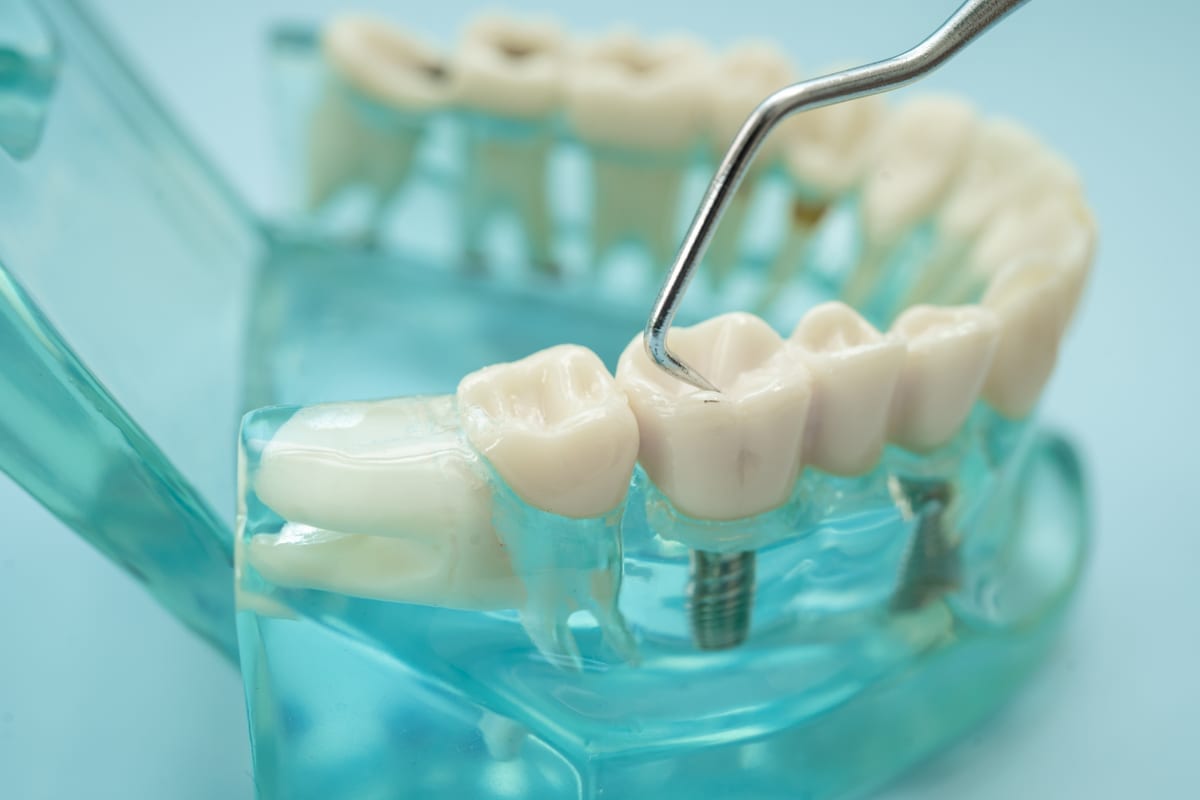
A dental bridge is part of Restorative Dentistry Greeley patients rely on to replace missing teeth using a fixed prosthetic anchored to surrounding teeth or implants. The procedure typically spans two appointments over a few weeks. Knowing what each visit involves makes the whole experience far more manageable.
Your First Appointment: Preparing the Abutment Teeth
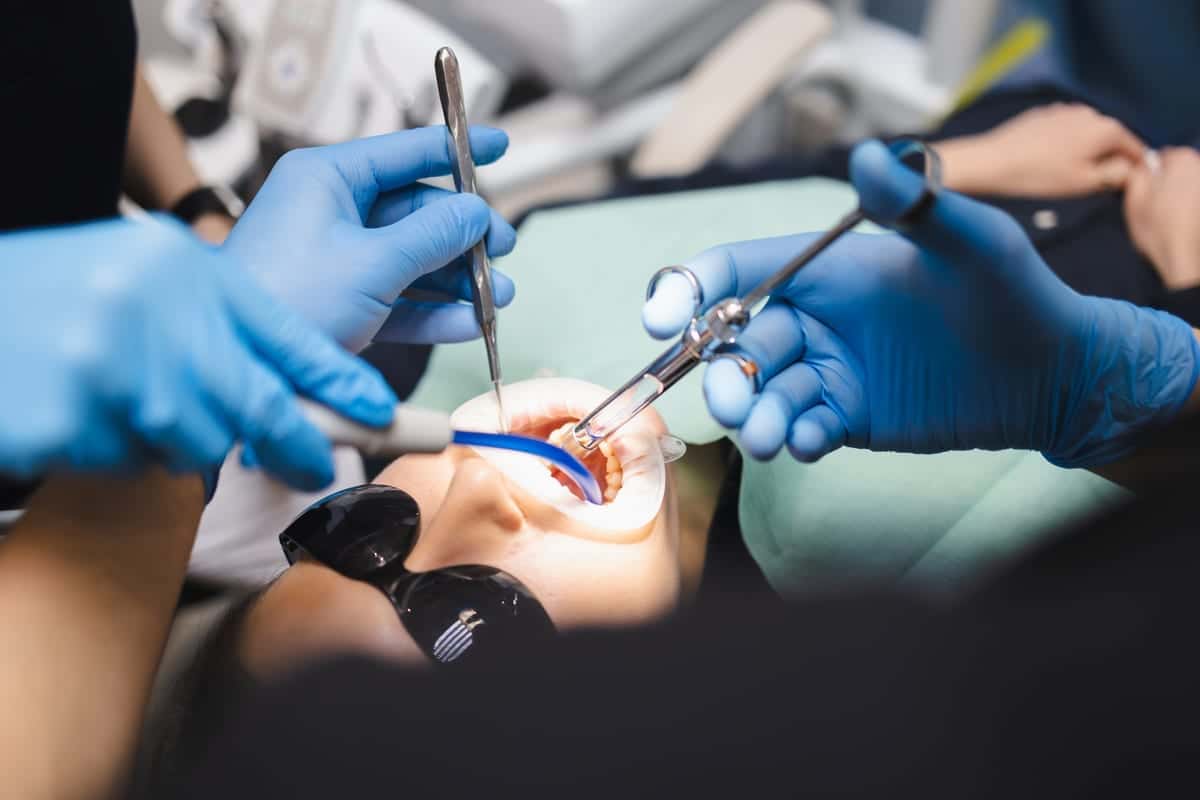
The first appointment is the most involved visit of the process. Dr. Luker begins by numbing the area around the teeth that will anchor your bridge — called abutment teeth. Most patients feel only light pressure once the anesthetic takes effect.
Once you’re comfortable, Dr. Luker carefully reshapes the abutment teeth. This step creates room for the dental crowns that will hold your bridge in place. The amount of tooth structure removed is minimal but necessary for a secure, natural-looking fit.
Here is what you can expect during your first appointment:
- Local anesthetic to numb the treatment area
- Reshaping of the abutment teeth on each side of the gap
- Precise dental impressions or a digital scan of your teeth
- Shade matching to ensure your bridge blends with surrounding teeth
- Placement of a temporary bridge to protect the prepared teeth
The impressions or digital scans go directly to a dental lab. Skilled technicians use those measurements to craft your permanent bridge. That process usually takes one to two weeks.
Wearing Your Temporary Bridge in Greeley
Between your two appointments, you’ll wear a temporary bridge. This temporary restoration protects the exposed abutment teeth and keeps the gap filled. It also lets you eat, speak, and smile with more confidence while you wait.
Temporary bridges are not as strong as permanent ones. Dr. Luker recommends avoiding sticky or hard foods during this period. Chewing on the opposite side of your mouth is also a helpful habit.
Some patients notice mild sensitivity around the prepared teeth during this phase. That’s completely normal. If discomfort feels sharp or persistent, a quick call to our Greeley office will help Dr. Luker address it right away.
Your Second Appointment: Placing the Permanent Bridge
When your permanent bridge arrives from the lab, you return to Luker Dental Greeley for placement. Dr. Luker removes the temporary bridge and cleans the abutment teeth thoroughly. This prepares the surface for a strong, lasting bond.
Dr. Luker first places the permanent bridge without cement. He checks the fit, the bite alignment, and the overall appearance very carefully. Small adjustments happen at this stage before anything is permanently secured.
Once Dr. Luker confirms the fit is ideal, he cements the bridge into place. Here’s what that final placement step looks like:
- Removal of the temporary bridge and cleaning of abutment teeth
- Trial placement of the permanent bridge to assess fit and bite
- Minor adjustments to refine the shape and alignment as needed
- Application of dental cement and secure bonding of the bridge
- Final polish and bite check to ensure natural comfort
Most patients leave this appointment feeling immediate improvement. The bridge feels stable, and the gap is fully restored. Dr. Luker takes time at the end of the visit to answer any questions you have about caring for your new bridge.
How Dr. Luker Keeps You Comfortable Throughout the Procedure
Patient comfort is a top priority at Luker Dental Greeley. Dr. Luker uses effective local anesthesia so you feel minimal discomfort during both appointments. He also checks in with patients frequently throughout the procedure.
For patients who feel anxious about dental visits, sedation options are available. Sedation dentistry at our Greeley practice helps you stay calm and relaxed during longer procedures like bridge preparation. You can discuss this option with Dr. Luker before your first appointment.
The team communicates clearly at every stage. You’ll always know what’s happening and why. That transparency helps patients feel in control — even during unfamiliar dental procedures.
The Benefits of Choosing a Dental Bridge
A dental bridge does much more than fill a visible gap. It restores your chewing function and helps you speak more clearly. It also prevents neighboring teeth from shifting into the empty space over time.
Here are key benefits patients in Greeley experience after getting a dental bridge:
- Restored ability to chew and speak comfortably
- Improved smile aesthetics that look completely natural
- Prevention of bone loss and tooth shifting in the jaw
- A fixed solution that doesn’t require removal for cleaning
- Long-lasting results with proper care and regular dental visits
Dental bridges are also a natural complement to other smile solutions. Many patients explore Cosmetic Dentistry Greeley options alongside their bridge to achieve a complete, confident smile transformation. Dr. Luker can guide you through all available options during your consultation.
Caring for Your Dental Bridge After the Procedure
A well-maintained bridge can last ten to fifteen years or longer. Daily brushing and flossing remain essential — even with a bridge in place. A floss threader or water flosser helps you clean underneath the bridge effectively.
Dr. Luker recommends scheduling regular checkups and cleanings at our Greeley office. These visits allow the team to monitor the health of the abutment teeth and the integrity of the bridge itself. Catching small issues early protects your investment for years to come.
Avoiding habits like chewing ice, biting fingernails, or using your teeth as tools also extends the life of your bridge significantly. With proper care, your bridge becomes a seamless, durable part of your smile.
Ready to Restore Your Smile at Luker Dental Greeley?
Now that you understand what actually happens during a dental bridge procedure in Greeley, taking that first step feels much less intimidating. Dr. David Luker and the team at Luker Dental Greeley are here to guide you through every stage with patience, expertise, and genuine care. Book Now to schedule your appointment with our team.
Frequently Asked Questions
How long does the dental bridge procedure take from start to finish?
Most patients complete the dental bridge process in two appointments over one to two weeks. The first visit prepares the abutment teeth and takes impressions, while the second visit places the permanent bridge. Total chair time for both visits is typically two to three hours combined.
Is the dental bridge procedure painful?
Dr. Luker uses local anesthesia to numb the treatment area before beginning any work. Most patients report feeling only mild pressure — not pain — during the procedure. Some sensitivity around the prepared teeth is normal between appointments and usually fades quickly.
What actually happens during your dental bridge procedure in Greeley if you have dental anxiety?
Luker Dental Greeley offers sedation dentistry for patients who feel nervous about dental procedures. Dr. Luker discusses your comfort needs during the initial consultation and recommends the most appropriate sedation option. Our team prioritizes a calm, reassuring environment throughout every appointment.
How do I clean under a dental bridge?
Cleaning under a dental bridge requires a floss threader, dental tape, or a water flosser to reach the space between the bridge and your gum line. Dr. Luker and the hygiene team at our Greeley office will demonstrate the best technique at your post-placement visit. Daily cleaning under the bridge is essential for long-term oral health.
How long does a dental bridge last?
With proper care and regular dental checkups, a dental bridge can last ten to fifteen years or more. The lifespan depends on oral hygiene habits, diet, and the health of the surrounding teeth and gums. Dr. Luker monitors your bridge at every routine visit to ensure it stays in excellent condition.