Pay Online

What You’ll Actually Feel During a Root Canal Treatment

If you’ve been putting off a root canal because you’re scared of pain, you’re not alone. Many Greeley patients arrive at Luker Dental convinced it will be the worst experience of their lives. Understanding what you’ll actually feel during a root canal treatment in Greeley can completely change that fear. This step-by-step guide walks you through every stage of the procedure — honestly and simply.
Why Root Canals Have an Undeserved Reputation
Root canals got a bad reputation decades ago when dental techniques were far less advanced. Today, the procedure is much closer to getting a filling than anything dramatic. Modern anesthesia, refined tools, and experienced dentists like Dr. David Luker make a significant difference in patient comfort.
Most patients who delay treatment actually experience more pain from the infected tooth itself. The root canal relieves that pain — it doesn’t create it. Knowing that changes the whole picture before you even sit in the chair.
What You’ll Actually Feel During a Root Canal Treatment in Greeley: Step by Step
Here’s an honest, stage-by-stage breakdown of the procedure. Every step is explained in terms of physical sensation so you know exactly what to expect.
Step 1: The Numbing Injection
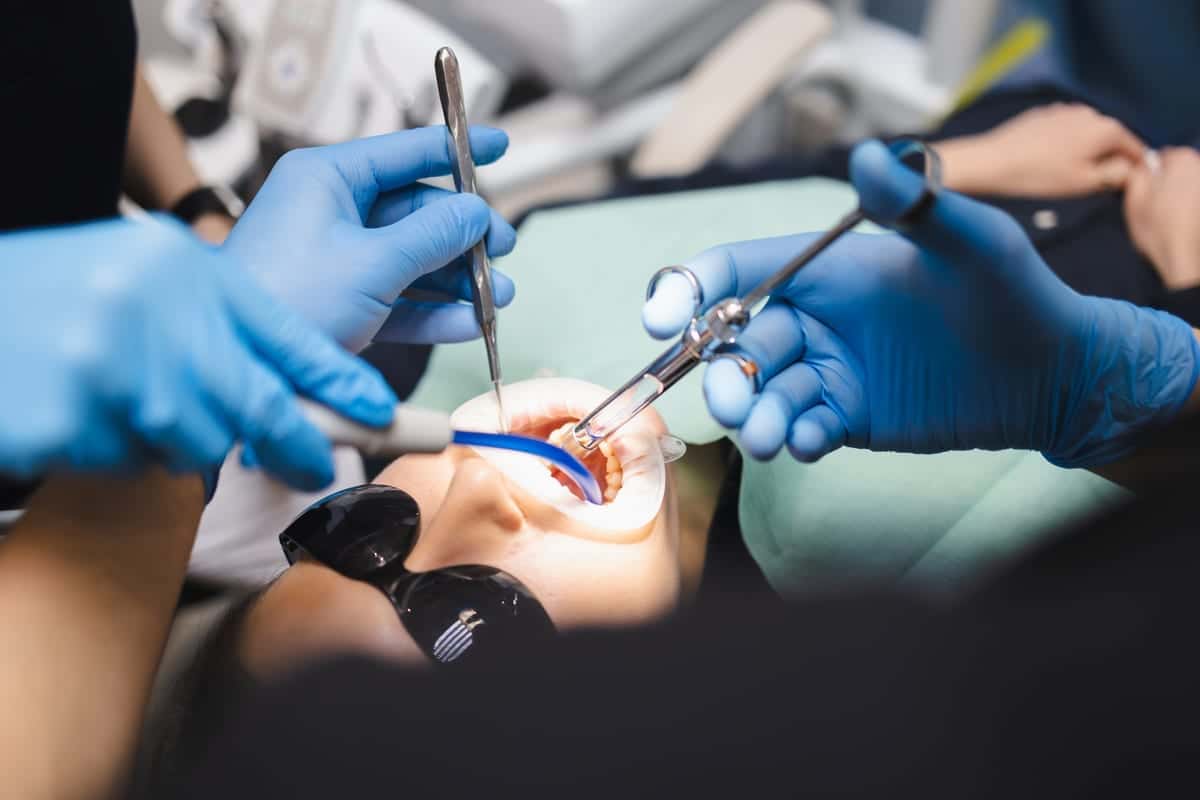
The first thing Dr. Luker does is apply a topical numbing gel to your gum. This takes effect within a minute or two. After that, a small anesthetic injection is given into the gum near the tooth.
You’ll feel a brief pinch and mild pressure during the injection. That sensation fades quickly as the anesthetic takes hold. Within a few minutes, the entire area should feel completely numb.
Step 2: Isolation and Access
A small rubber dam is placed around the tooth to keep it clean and dry. You won’t feel this — it simply holds the tooth isolated. Dr. Luker then uses a drill to create a small opening in the top of the tooth.
Because the area is fully numb, you won’t feel pain during this step. You may hear the drill and feel gentle vibration. That sensation is completely normal and not a sign of anything going wrong.
Step 3: Removing the Pulp
This is the step most people worry about. The infected or inflamed pulp tissue is carefully removed using small, precise instruments. Since the nerve is either numb or already compromised, most patients feel nothing at all.
Some patients notice very faint pressure deep in the jaw. This is not pain — it’s simply the sensation of the instruments working. It typically lasts only a few minutes.
Step 4: Cleaning and Shaping the Canals
Once the pulp is removed, the canals inside the tooth roots are cleaned and shaped. Dr. Luker uses tiny files to remove any remaining tissue and bacteria. Antibacterial solution is also flushed through the canals to disinfect thoroughly.
During this stage, patients typically feel nothing beyond mild pressure. The tooth is still fully numb at this point. This part of the procedure takes the most time but causes the least sensation.
Step 5: Filling and Sealing
The cleaned canals are filled with a biocompatible material called gutta-percha. This material seals the space and prevents future infection. A temporary or permanent filling is then placed over the opening.
You won’t feel the filling material going in. You may feel light pressure as the material is packed into place. The entire sealing step is usually completed quickly.
What to Expect After the Procedure
Once the anesthetic wears off — usually within a few hours — some mild soreness is normal. The gum tissue around the tooth may feel tender for a day or two. This is a sign that healing is underway, not a sign of a problem.
Over-the-counter pain relievers typically manage post-procedure discomfort well. Most patients return to normal activities the same day or the following morning. Eating soft foods for a day or two helps the area settle comfortably.
Here’s a quick summary of what to expect after your root canal:
- Mild soreness or tenderness in the gum area for 1–3 days
- Sensitivity when biting down may linger briefly
- Swelling around the treated tooth is possible but usually minor
- Most patients resume normal daily routines within 24 hours
- A follow-up crown is often recommended to protect the treated tooth
How Sedation Dentistry Helps Anxious Patients in Greeley
For patients with serious dental anxiety, sedation dentistry is available at Luker Dental Greeley. Sedation options help you feel calm and relaxed throughout the entire procedure. You remain in control, but the anxiety fades significantly.
Sedation is a great fit for patients who feel panicked at the thought of dental work. Dr. Luker discusses all sedation options during your consultation. Together, you choose the approach that suits your comfort level and health history.
Root canal treatment is also closely connected to broader dental care. If your tooth needs further restoration after the procedure, options like Restorative Dentistry Greeley can help rebuild strength and function. For patients also interested in improving their smile’s appearance, Cosmetic Dentistry Greeley offers solutions that pair beautifully with restored oral health.
Benefits of Treating a Root Canal Promptly
Delaying root canal treatment doesn’t make the infection go away. It allows bacteria to spread and can put your surrounding teeth and jawbone at risk. Early treatment saves both your tooth and your overall oral health.
Here are the key reasons to move forward with treatment sooner rather than later:
- Stops the spread of infection to surrounding teeth and bone
- Eliminates the throbbing pain caused by an inflamed nerve
- Preserves your natural tooth rather than requiring extraction
- Reduces the risk of more extensive and costly dental work later
- Restores your ability to chew comfortably and confidently
Saving your natural tooth is almost always the preferred outcome. A healthy natural tooth functions better and feels more stable than any replacement option. Root canal therapy makes that preservation possible.
Conclusion: You Can Do This — And We’ll Be With You Every Step
Understanding what you’ll actually feel during a root canal treatment in Greeley takes away most of the fear. The procedure is far more manageable than its reputation suggests. Dr. David Luker and the team at Luker Dental Greeley are committed to making every step as comfortable as possible. Book Now to schedule your appointment with our team.
Frequently Asked Questions
Does a root canal hurt during the procedure?
No — not when performed with proper local anesthesia. The area around the tooth is fully numbed before treatment begins. Most patients report feeling pressure or vibration, not pain. If you do feel discomfort, let Dr. Luker know and he can add more anesthetic.
How long does a root canal take at Luker Dental Greeley?
Most root canals at Luker Dental Greeley are completed in one to two appointments. Each appointment typically lasts between 60 and 90 minutes. Complex cases involving multiple canals may require a second visit to ensure thorough cleaning and sealing.
Will I need a crown after my root canal?
In most cases, yes. A crown is placed over the treated tooth to protect it from cracking under normal chewing pressure. Dr. Luker will discuss your specific situation and recommend the best restoration option for your tooth’s condition and location.
Is sedation available for root canal treatment in Greeley?
Yes. Luker Dental Greeley offers sedation dentistry for patients who experience dental anxiety. Sedation helps you stay relaxed throughout the procedure without affecting the outcome. Dr. Luker will review your health history and discuss which sedation option is the right fit for you.
What should I eat after a root canal?
Stick to soft foods for the first day or two after your procedure. Good choices include yogurt, mashed potatoes, soup, and scrambled eggs. Avoid chewing directly on the treated tooth until your permanent restoration is in place. This protects the tooth and supports comfortable healing.