Pay Online

Why Dental Implants Are Considered the Gold Standard for Tooth Replacement

You’re enjoying dinner at a local restaurant when you suddenly avoid chewing on one side. Or maybe you hesitate before smiling in a photo at a community event. A missing tooth affects more than appearance. It changes how you eat, speak, and feel about yourself.
When tooth loss happens, most people hear about dentures or bridges first. These solutions have helped many patients over the years. But in modern dentistry, one option stands apart.
In healthcare, the term “gold standard” refers to a treatment that consistently delivers the highest level of performance and reliability. In tooth replacement, that distinction belongs to the dental implant.
This blog explains exactly why this solution has earned that reputation and how it may help restore both function and confidence.
What Makes a Treatment the “Gold Standard” in Dentistry?
Not every treatment earns the title of gold standard. In dentistry, that label is reserved for solutions that meet strict clinical benchmarks.
First is longevity. A superior treatment should last many years, ideally decades. Short-term fixes may address symptoms, but lasting solutions preserve health long-term.
Second is functionality. Replacement teeth should restore natural chewing strength, clear speech, and everyday comfort. If you still struggle to eat certain foods, the solution is incomplete.
Third is preservation of surrounding structures. A true gold-standard treatment protects neighboring teeth and supports jawbone health rather than compromising them.
Predictable outcomes also matter. Dentists rely on evidence-based research and long-term clinical data. Treatments with high success rates and consistent healing patterns rise to the top.
Finally, patient satisfaction plays a major role. Comfort, appearance, and ease of maintenance influence long-term acceptance.
Modern tooth replacement using a dental implant in Greeley meets these benchmarks. It is designed not only to replace a missing tooth but to replicate its natural root structure. This biological advantage allows it to support bone, restore bite strength, and deliver predictable results.
For patients at Luker Dental, this approach aligns with long-term oral health goals rather than temporary correction.
How Dental Implants Work
To understand why this solution stands out, it helps to know how it functions.
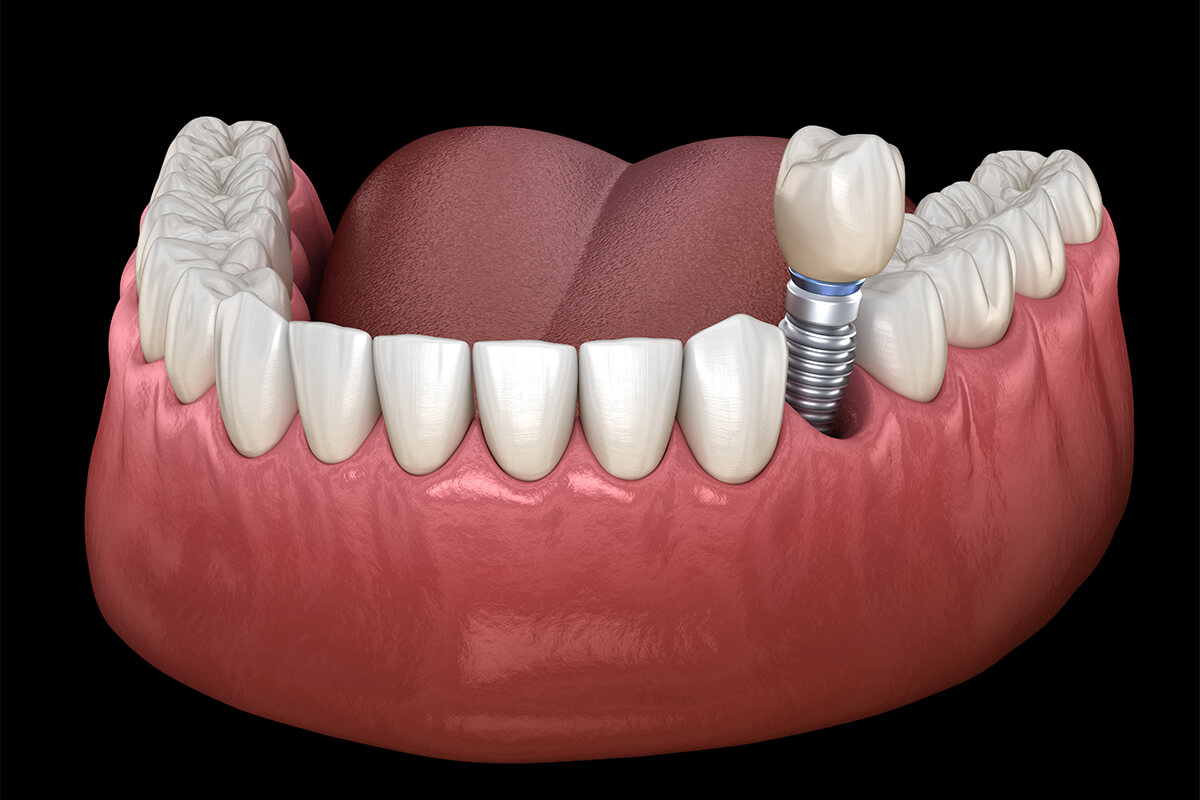
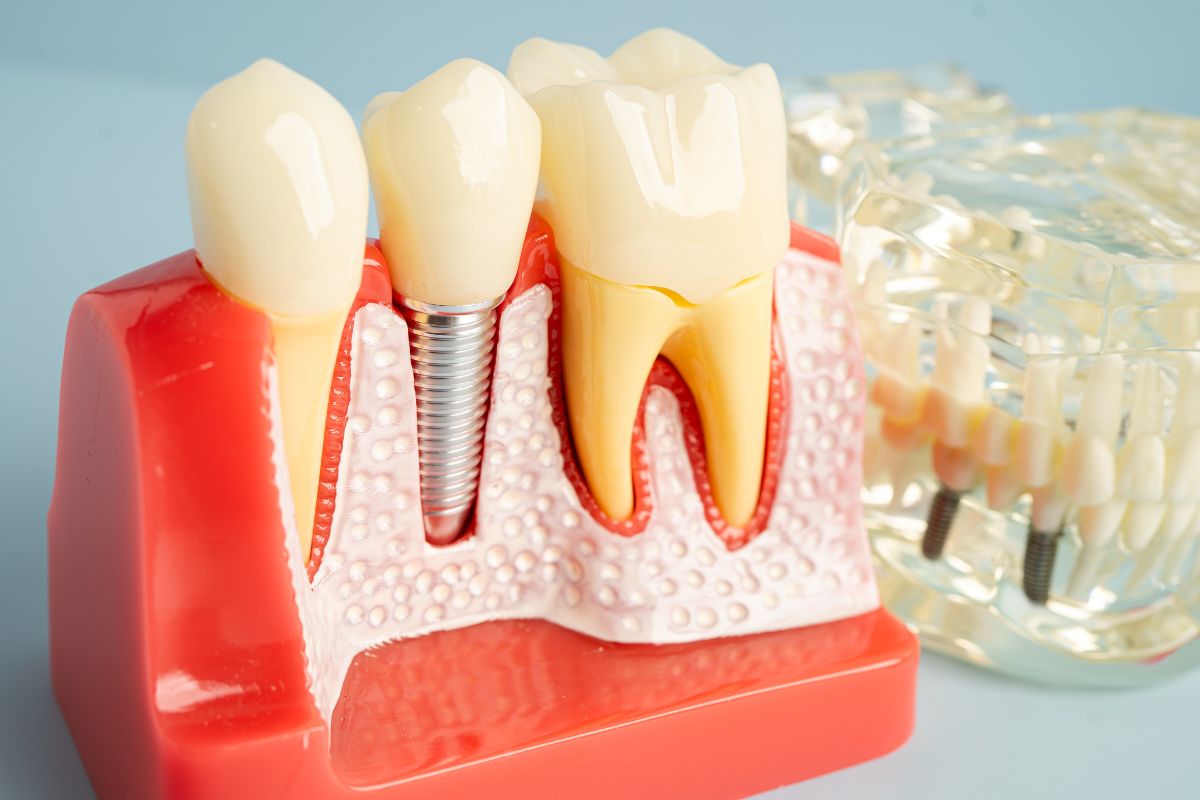
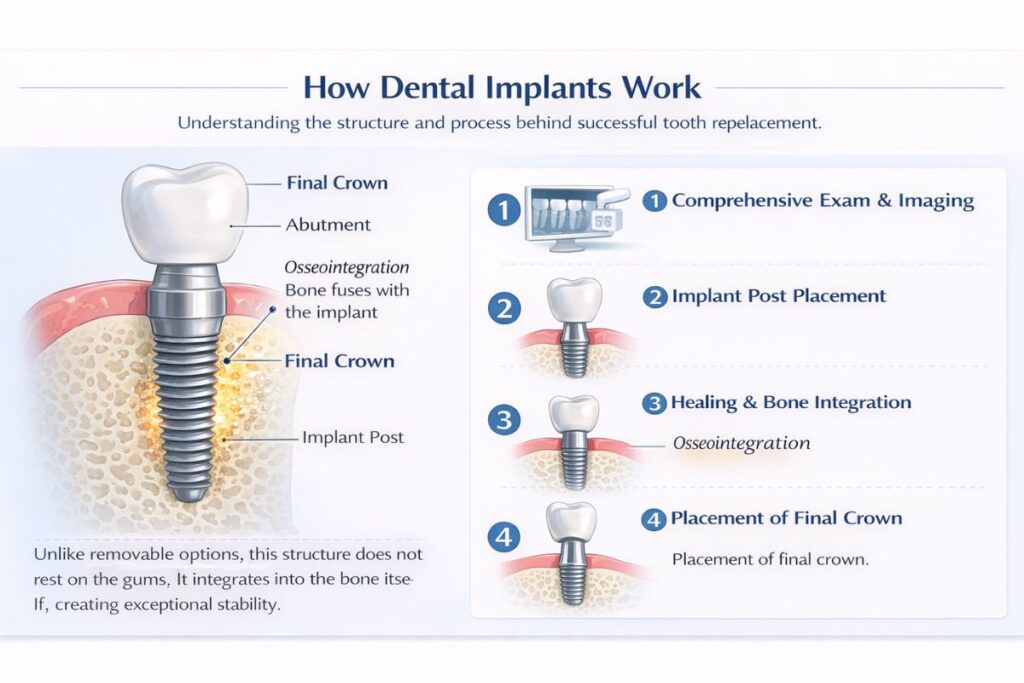
A dental implant consists of three main components. The first is a small titanium post placed into the jawbone. This acts as the artificial tooth root. The second component is the abutment, which connects the post to the visible restoration. The third is the custom-made crown designed to match the surrounding teeth.
The key process that sets this apart is osseointegration. In simple terms, the bone naturally fuses with the titanium post. Over several weeks, the body treats it like a natural root. This creates a stable, anchored foundation.
The process typically follows a clear sequence:
- Comprehensive exam and digital imaging
- Placement of the implant post
- Healing and bone integration
- Placement of the final crown
Unlike removable options, this structure does not rest on the gums. It integrates into the bone itself, creating exceptional stability. That integration is what allows patients to chew confidently and speak naturally without fear of movement.
Superior Stability and Function
One of the biggest differences patients notice is stability.
Dentures sit on top of the gums. Even well-fitted dentures can shift slightly during chewing or speaking. Adhesives may be required to improve retention, but movement is still possible.
Bridges rely on adjacent teeth for support. While they restore appearance, they do not replace the missing root. Over time, surrounding structures may experience additional stress.
Implants function differently. Because they anchor into the bone, they restore natural bite force. You can chew steak, apples, or corn without hesitation. There is no slipping, no adhesive, and no clicking sounds.
Speech also improves. Removable appliances sometimes affect pronunciation. Anchored restorations remain fixed in place, allowing clearer articulation.
This stability often translates into improved quality of life. Patients report feeling as though they have their natural tooth back rather than a substitute.
Bone Preservation and Facial Structure Protection
Tooth loss affects more than appearance. When a tooth root is missing, the jawbone in that area begins to shrink. The body no longer receives stimulation from chewing forces, so it gradually resorbs bone tissue.
Dentures and bridges do not stop this process. They replace the visible portion of the tooth but leave the bone unsupported underneath.
Implants stimulate the jawbone during chewing, just like a natural root. This stimulation helps maintain bone density and structure. Over time, preserving bone supports facial contours and prevents the sunken appearance sometimes associated with long-term tooth loss.
This benefit extends beyond cosmetics. Strong bone supports neighboring teeth and overall oral health. Protecting the foundation of your smile helps prevent future complications.
Longevity and Predictability
Long-term value matters.
Clinical studies consistently show success rates above 95 percent in healthy patients. With proper care, a dental implant in Greeley can last decades. In many cases, they function as a long-term solution rather than a temporary restoration.
By comparison, bridges and dentures often require replacement within 5 to 15 years due to wear or structural changes.
Maintenance is straightforward. Daily brushing, flossing, and routine checkups remain essential. Unlike removable appliances, there is no need for soaking or adhesives.
At Luker Dental, treatment planning focuses on long-term stability. Thorough evaluation and precise placement contribute to predictable healing. When properly maintained, implants provide consistent performance and reliability.
Aesthetic Excellence
Beyond function, appearance matters.
Modern crowns are crafted using high-quality materials that replicate natural enamel translucency and shading. Custom color matching ensures harmony with surrounding teeth.
Because implants emerge naturally through the gum tissue, they maintain proper contour and alignment. There are no metal clasps or visible hardware.
The emotional impact is significant. Patients often regain confidence in social settings, professional environments, and everyday conversations. Smiling feels natural again. Speech sounds clear. Self-conscious habits fade.
A restored smile influences how you interact with others. Feeling secure about your teeth often translates into greater confidence overall.
Who Is a Good Candidate?
Most healthy adults with missing teeth may qualify, but evaluation is essential. Adequate bone volume is important for stability. If bone loss has occurred, grafting procedures may rebuild support. Healthy gums are equally important. Untreated gum disease must be addressed before placement.
Smoking can affect healing and success rates. Patients who smoke may need additional guidance and monitoring. Certain chronic conditions, such as uncontrolled diabetes, require careful management. However, many patients with stable medical histories can proceed safely.
A comprehensive consultation at Luker Dental includes imaging, medical review, and personalized treatment planning. Proper evaluation ensures predictable outcomes and long-term success.
Addressing Common Concerns
Is the procedure painful?
Most patients report mild discomfort similar to a routine extraction. Local anesthesia keeps the procedure comfortable.
How long does it take?
Initial placement is often completed in a single visit. Healing typically takes several weeks before the final crown is attached.
Is healing difficult?
Recovery is generally manageable with mild soreness for a few days.
What if bone loss has already occurred?
Bone grafting procedures can rebuild support, making many patients eligible even after years of tooth loss.
Why Many Dentists Recommend This Approach First
Dentists prioritize treatments supported by strong clinical evidence.
Implants preserve bone, protect adjacent teeth, and restore natural function. This aligns with preventive principles and whole-mouth health.
Treatment planning considers long-term outcomes, not just immediate appearance. By restoring the root structure, implants help maintain stability across the dental arch. For many professionals, this option offers the most comprehensive solution for single or multiple missing teeth.
When evaluating tooth replacement options, stability, longevity, and overall health matter. That is why this approach is widely recognized as the gold standard. By restoring the root, preserving bone, and delivering natural function, implants offer advantages that extend beyond appearance. They provide strength, predictability, and confidence.
If you are considering tooth replacement, schedule a consultation with Luker Dental. Modern techniques make treatment safe, precise, and highly successful. A personalized evaluation can determine whether this solution is right for you and help you move forward with confidence.
FAQs
How long does a dental implant last?
With proper care, implants can last decades. Many patients keep them for a lifetime. Daily brushing, flossing, and regular dental visits are essential for long-term success.
How long does the entire implant process take?
The full process can take several months because healing time is required for bone integration. However, the long-term stability makes the timeline worthwhile.
Can smokers get implants?
Smoking can slow healing and affect success rates. Patients who smoke may still qualify but should discuss risks and healing expectations during consultation.
What is the success rate of implants?
Implants have a success rate of over 95% in healthy patients. Proper placement and good oral hygiene significantly increase long-term stability.
How soon can normal eating resume?
Soft foods are recommended during initial healing. After full integration, patients can return to a regular diet without special restrictions.