Pay Online

When That Tooth Pain Actually Needs Same-Day Emergency Care


Tooth pain has a way of stopping everything. One moment you are going about your day, and the next, a sharp or throbbing ache demands your full attention. Knowing when that tooth pain actually needs same-day emergency care in Greeley can make the difference between saving a tooth and losing it. Not every ache is a crisis, but some absolutely are. This guide from Dr. David Luker at Luker Dental Greeley helps you understand the difference.
Common Causes of Severe Tooth Pain in Greeley Patients
Tooth pain rarely appears without a reason. Understanding the underlying cause helps you decide how urgently you need to act. Several conditions can trigger intense dental discomfort.
The most frequent causes of severe tooth pain include:
- Deep tooth decay reaching the inner pulp of the tooth
- Dental abscess or infection spreading from the root
- Cracked or fractured teeth exposing sensitive inner layers
- Lost or broken fillings or crowns leaving the tooth unprotected
- Gum disease causing inflammation and root exposure
- Impacted wisdom teeth pressing against neighboring teeth
Each of these conditions varies in urgency. Some are true emergencies. Others can wait a day or two with careful management at home. Identifying your symptoms accurately is the first step toward getting the right care.
When That Tooth Pain Actually Needs Same-Day Emergency Care in Greeley
Some dental situations cannot wait for a routine appointment. Delaying care in these cases can lead to serious health consequences. Knowing the red flags protects your health and your smile.
Seek same-day emergency care immediately if you experience any of these signs:
- Severe, throbbing pain that does not respond to over-the-counter pain relievers
- Swelling in your jaw, face, or gums that is spreading or worsening
- A dental abscess, which may appear as a pimple-like bump on the gum
- Fever accompanied by tooth or jaw pain — this signals possible infection
- A knocked-out or fully displaced tooth requiring reimplantation
- A broken tooth with sharp edges cutting your tongue or cheeks
- Bleeding that does not stop after 10 to 15 minutes of firm pressure
A dental abscess is especially dangerous. The infection can spread to your jaw, neck, or even your brain if left untreated. Never ignore swelling paired with pain and fever. Contact Dr. Luker’s office right away if these symptoms appear.
Tooth Pain That Can Usually Wait a Short Time
Not every toothache demands an emergency visit. Some situations are uncomfortable but not immediately dangerous. You can often manage these safely for a day or two until a scheduled appointment opens.
Pain that may be able to wait includes mild sensitivity to hot or cold foods that fades quickly. A lost filling or crown without severe pain is generally manageable short-term. Minor chips that do not expose the inner tooth pulp can also wait briefly.
Even so, waiting does not mean ignoring the problem. Rinse with warm salt water to keep the area clean. Avoid biting on the affected side. Over-the-counter dental cement from a pharmacy can temporarily cover an exposed area. Schedule your appointment at Luker Dental Greeley as soon as possible regardless.
Remember, a problem that seems minor today can escalate overnight. If your pain suddenly worsens or swelling develops, treat it as an emergency immediately.
What Happens During a Same-Day Emergency Visit at Luker Dental Greeley
Walking into a dental office in pain can feel overwhelming. Knowing what to expect helps ease anxiety and prepares you for the process. Dr. Luker and his team move quickly to assess and relieve your discomfort.
Here is what typically happens during an emergency dental visit:
- Immediate assessment — Dr. Luker examines your mouth and reviews your symptoms right away.
- Diagnostic X-rays — Imaging helps identify the source of pain, including hidden infections or fractures.
- Pain relief first — The team prioritizes making you comfortable before proceeding with treatment.
- Emergency treatment — This may include draining an abscess, placing a temporary crown, or beginning a root canal.
- Follow-up planning — Dr. Luker outlines the next steps to fully restore your tooth and long-term health.
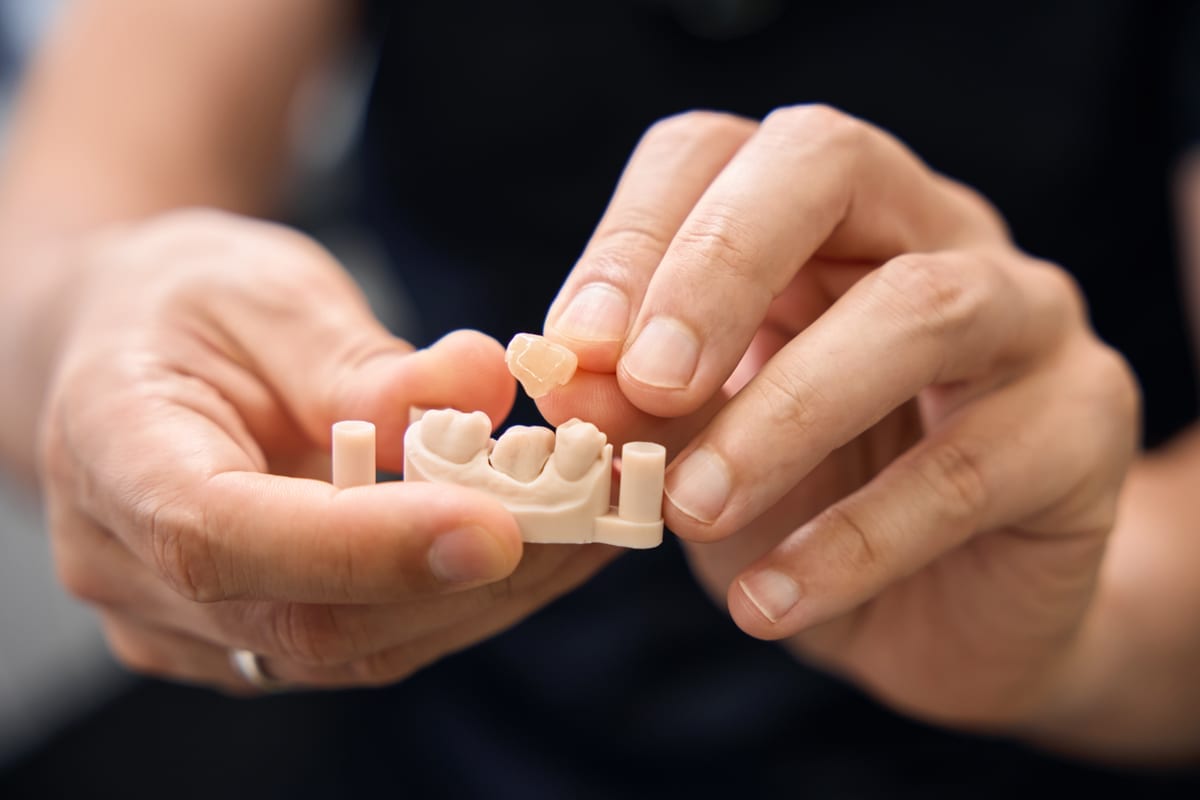
Luker Dental offers Restorative Dentistry Greeley patients trust for rebuilding damaged and painful teeth. From dental crowns and bridges to implants, the goal is always to restore function and comfort as completely as possible.
How to Prevent Dental Emergencies Before They Happen
Prevention is always better than emergency treatment. Many dental crises develop gradually from untreated small problems. Regular care dramatically reduces your risk of facing a same-day emergency.
Visit Luker Dental Greeley for routine checkups and cleanings every six months. These appointments allow Dr. Luker to catch early decay, cracking, or gum disease before they become serious. Wearing a custom mouthguard during contact sports also protects your teeth from trauma.
Avoid chewing ice, hard candy, or other items that can crack teeth unexpectedly. If you grind your teeth at night, ask about a night guard to prevent fractures. Addressing small issues early through Cosmetic Dentistry Greeley options like dental bonding or veneers can also reinforce weakened teeth before they become painful emergencies.
Good daily habits matter too. Brush twice daily, floss once daily, and use a fluoride toothpaste. These simple steps build the foundation that prevents most common dental emergencies.
Frequently Asked Questions
How do I know if my tooth pain is a dental emergency?
Signs that indicate a true emergency include severe unrelenting pain, visible swelling in the jaw or face, fever, a knocked-out tooth, or a pus-filled bump on the gums. If any of these are present, contact Luker Dental Greeley right away for same-day care. When in doubt, it is always safer to call and describe your symptoms so the team can advise you.
Can a toothache go away on its own without treatment?
A toothache caused by an infection or deep decay will not resolve on its own. Pain may temporarily subside if a nerve dies, but the underlying infection continues to spread and worsen. Ignoring tooth pain can lead to serious complications including abscess, bone loss, or systemic infection. Always have persistent pain evaluated by a dentist.
What should I do if my tooth gets knocked out?
Pick up the tooth by the crown, not the root. Rinse it gently with water without scrubbing. Try to reinsert it into the socket if possible, or keep it moist in a small container of milk or saliva. Get to a dentist within 30 to 60 minutes for the best chance of saving the tooth. Time is critical in this situation.
Does sedation dentistry help with emergency dental visits?
Yes, Luker Dental Greeley offers sedation dentistry options that can help anxious patients feel calm and comfortable during emergency procedures. Sedation allows Dr. Luker to complete necessary treatment efficiently while you remain relaxed. If dental anxiety has prevented you from seeking care, sedation is a helpful solution worth discussing when you call.
How long does emergency dental treatment typically take?
The duration depends on the type and severity of your dental emergency. Simple procedures like draining an abscess or placing a temporary crown may take 30 to 60 minutes. More complex treatments such as a root canal may require 60 to 90 minutes or a follow-up visit. Dr. Luker will give you a clear time estimate after your initial assessment.
Tooth pain is your body’s signal that something needs attention. Ignoring it rarely makes things better and often makes them significantly worse. Dr. David Luker and the team at Luker Dental Greeley are here to help you determine exactly what level of care you need and deliver it with compassion and skill. Book Now to schedule your appointment with our team.