Pay Online

Dental Implants: What You Need to Know

Dental Implants: A Complete Patient Guide
Losing a tooth can affect more than just your smile. It can change how you eat, speak, and feel about yourself. Dental Implants are one of the most effective long-term solutions for missing teeth. At Luker Dental Greeley, our dental team is committed to helping you understand every option available to you.
This guide covers everything you need to know about dental implants. We will explain how they work, who qualifies, and what the process looks like. Our goal is to give you clear, honest information so you can make a confident decision about your oral health.
What Are Dental Implants?
A dental implant is a small titanium post. It is surgically placed into the jawbone to replace a missing tooth root. Over time, the bone fuses with the post through a process called osseointegration. This creates a stable and lasting foundation for a replacement tooth.
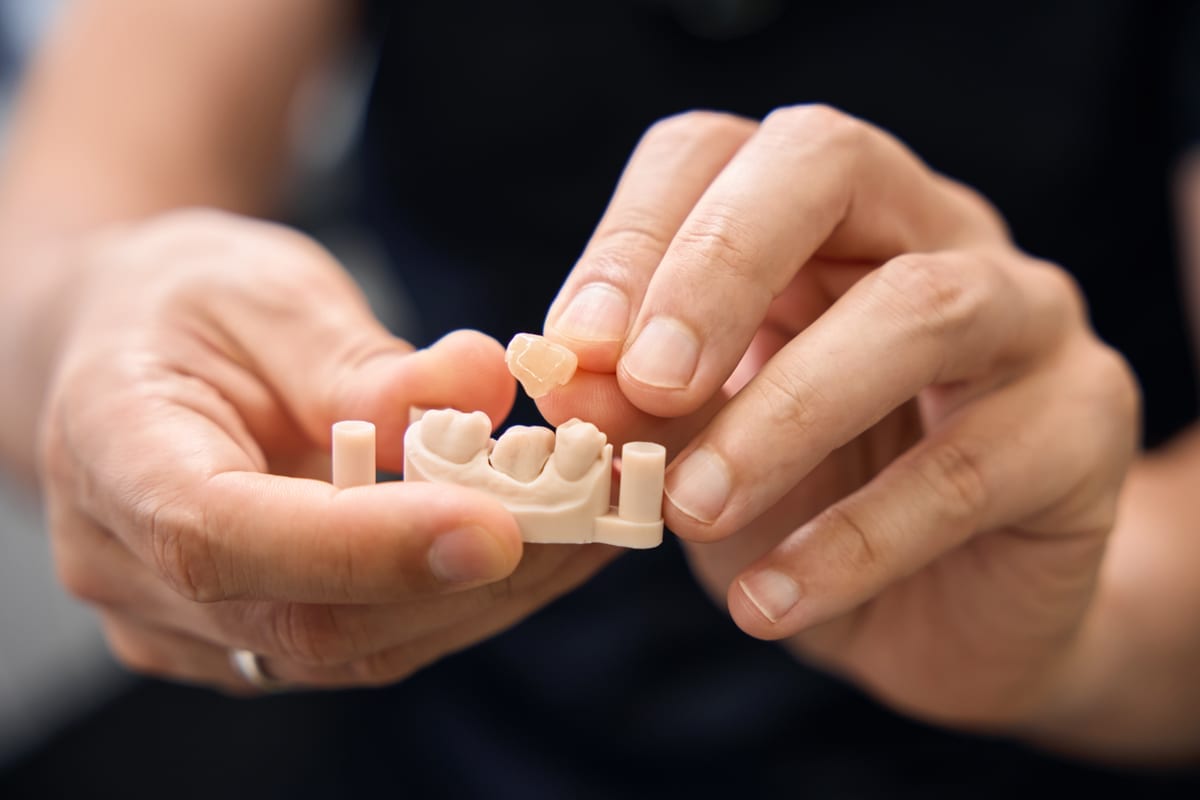
Once the implant heals, a custom crown is attached on top. The crown is designed to match your natural teeth in shape and color. The result looks and functions just like a real tooth. Most people cannot tell the difference between an implant and a natural tooth.
Implants differ from dentures and bridges in one important way. They replace the actual root of the tooth, not just the visible portion. This helps preserve the jawbone over time. Bone loss is a common side effect of long-term tooth loss.
Key Benefits of Dental Implants
Many patients choose implants over other tooth replacement options for good reason. They offer a range of functional and aesthetic advantages. Understanding these benefits can help you decide if implants are the right fit for your lifestyle and oral health goals.
- Natural appearance: Implants are custom-made to blend with your existing teeth.
- Durability: With proper care, implants can last a lifetime.
- Bone preservation: Implants stimulate the jawbone and prevent bone loss.
- Improved speech: Unlike removable dentures, implants stay in place when you talk.
- Easier eating: You can eat most foods without discomfort or restriction.
- No impact on adjacent teeth: Bridges often require reshaping neighboring teeth. Implants do not.
- Self-confidence: A complete smile can improve how you feel in social and professional settings.
These benefits make dental implants a preferred choice for many patients. They are not just cosmetic — they support your overall oral health. Our dental team at Luker Dental Greeley takes time to discuss these advantages with every patient.
Are You a Good Candidate for Dental Implants?
Not everyone is immediately eligible for dental implants. A thorough evaluation is the first step. Our dental team will review your medical history, current oral health, and bone density before recommending treatment.
Good candidates typically share the following characteristics:
- One or more missing teeth
- Fully developed jawbone (usually adults 18 and older)
- Adequate bone density to support the implant
- Healthy gums with no active periodontal disease
- Non-smokers or those willing to quit smoking during healing
- Good overall health with no uncontrolled chronic conditions
Some patients may need preparatory treatments before receiving implants. Bone grafting is one option for those with insufficient jawbone. Gum disease treatment may also be required first. These steps help ensure a successful implant outcome.
Age is rarely a barrier to implants. Older adults often make excellent candidates. What matters most is bone health and overall medical stability. Your dental team will give you an honest assessment during your consultation.
What to Expect During the Dental Implants Process
The dental implant process takes place over several months. This allows time for healing at each stage. Here is a general overview of what most patients experience:
- Initial Consultation: Your dental team reviews X-rays and takes 3D scans. They assess bone structure and discuss your treatment plan.
- Tooth Extraction (if needed): If the damaged tooth is still present, it will be removed first. Healing time is needed before implant placement.
- Bone Grafting (if needed): Patients with low bone density may need a graft. This procedure adds bone material to support the implant.
- Implant Placement: A small incision is made in the gum. The titanium post is carefully placed into the jawbone. The area is then stitched closed.
- Osseointegration: Over three to six months, the bone grows around the implant. This creates a secure and permanent foundation.
- Abutment Placement: Once healed, a small connector called an abutment is attached to the post. This will hold the final crown in place.
- Crown Placement: A custom crown is attached to the abutment. It is matched to your natural teeth for a seamless finish.
The timeline varies from patient to patient. Some cases move faster, while others require more preparation. Your dental team will walk you through a personalized schedule from the start.
Caring for Your Dental Implants
One of the best things about implants is that they do not require complex care. You care for them the same way you care for natural teeth. Brushing twice a day and flossing daily are essential habits.
Regular dental checkups are equally important. Our team can monitor the implant, surrounding gums, and bone health during routine visits. Early detection of any issue helps protect your investment in the long run.
Avoid habits that can damage implants. These include chewing ice, biting hard objects, or using your teeth as tools. Grinding your teeth at night can also put stress on implants. A custom night guard may be recommended if this is a concern.
With consistent care, dental implants have an impressive long-term success rate. Studies show success rates above 95% over ten years. They are considered one of the most reliable solutions in modern dentistry. You can learn more about our full range of services by visiting our services page.
How Dental Implants Compare to Other Options
Patients often wonder how implants compare to dentures or dental bridges. Each option has its place depending on a patient’s needs and circumstances. However, implants offer advantages that the others cannot fully replicate.
Dentures are removable and may shift during eating or speaking. They do not prevent bone loss. Over time, the jawbone can shrink, changing the fit of the denture. This often requires adjustments or replacement.
Bridges are fixed and do not require removal. However, they rely on adjacent teeth for support. Those neighboring teeth must be filed down to anchor the bridge. This removes healthy tooth structure unnecessarily.
Implants stand alone. They require no support from neighboring teeth. They actively preserve the jawbone. For most patients who qualify, they are the closest thing to having a natural tooth restored. Our dental team can help you compare all options during a consultation. Visit our about page to learn more about our philosophy of care.
Frequently Asked Questions
How long do dental implants last?
With proper care, dental implants can last a lifetime. The crown on top may need replacement after 15 to 25 years due to normal wear. The implant post itself is designed to be permanent when maintained correctly.
Is the dental implant procedure painful?
Most patients report less discomfort than they expected. Local anesthesia is used during the procedure to keep you comfortable. Some soreness and swelling are normal after placement and typically resolve within a few days.
How long does it take to get a dental implant?
The full process usually takes between three and nine months. The timeline depends on whether bone grafting is needed and how quickly your body heals. Your dental team will give you a more accurate estimate after your evaluation.
Can dental implants fail?
Implant failure is uncommon but can occur. Risk factors include smoking, uncontrolled diabetes, and poor oral hygiene. Choosing a qualified dental team and following aftercare instructions significantly reduces this risk.
What is the difference between an implant and a crown?
An implant is the titanium post placed in the jawbone. A crown is the tooth-shaped cap placed on top of the implant. Both parts work together to create a complete tooth replacement. They are two different components of the same solution.
Dental implants represent a major advancement in restorative dentistry. They offer a reliable, natural-looking, and long-lasting solution for missing teeth. Our dental team at Luker Dental Greeley is here to guide you every step of the way. Learn More about how we can help you.