Pay Online

Dental Bridges Last 15 Years—Here’s What Extends or Shortens That


Most patients are surprised to learn that dental bridges last 15 years on average. Some bridges outlast that estimate significantly. Others fail well before that milestone. Understanding what drives those differences helps Greeley patients make smarter decisions about their oral health. At Luker Dental Greeley, Dr. David Luker helps patients maximize the lifespan of every bridge we place.
Why Dental Bridges Last 15 Years—And What That Really Means
The 15-year average comes from large-scale clinical studies tracking bridge performance over time. That number reflects patients across a wide range of habits, health conditions, and care routines. It is a useful benchmark, but it is not a guarantee. Your individual result depends on several controllable and uncontrollable factors.
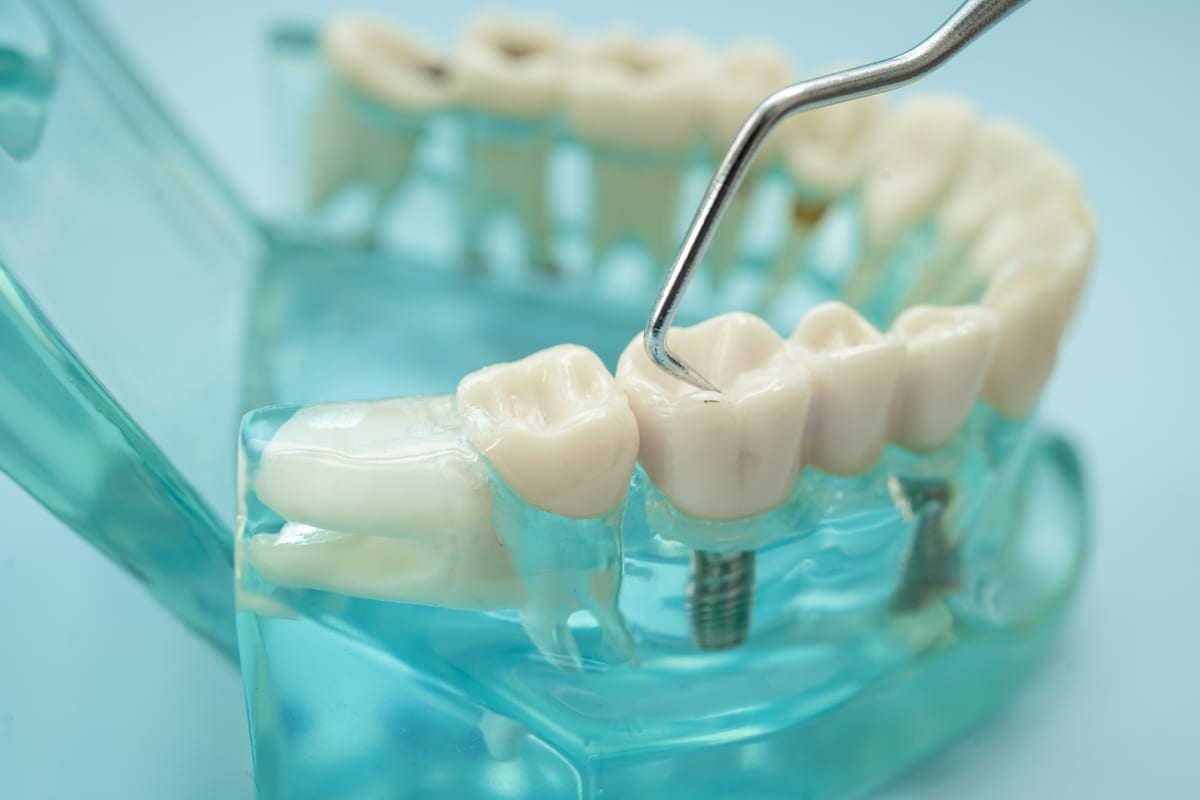
A dental bridge replaces one or more missing teeth. It anchors to the natural teeth or implants on either side of the gap. Those anchor teeth, called abutment teeth, bear significant chewing force daily. Their health plays a large role in how long the bridge survives.
As part of our Restorative Dentistry Greeley services, Dr. Luker evaluates your full oral health picture before placing a bridge. That evaluation helps predict longevity and sets realistic expectations from day one.
Key Factors That Extend Your Bridge’s Lifespan in Greeley
Several habits and conditions consistently help bridges last longer. Patients who commit to these practices often see their bridges outlast the 15-year average.
- Consistent brushing and flossing: Clean the bridge twice daily. Use floss threaders or water flossers to clean beneath the bridge.
- Regular professional cleanings: Schedule cleanings every six months. Dr. Luker’s team removes buildup that home care cannot reach.
- Protecting abutment teeth: Healthy anchor teeth support the bridge structure. Treat cavities or gum issues promptly.
- Wearing a night guard: Teeth grinding puts extreme pressure on bridges. A custom guard reduces that stress significantly.
- Avoiding hard or sticky foods: Chewing ice, hard candy, or sticky caramel can crack or dislodge a bridge.
- Staying hydrated: Dry mouth accelerates decay on abutment teeth. Drinking water throughout the day protects the foundation of your bridge.
These steps are straightforward but genuinely powerful. Patients who follow them consistently report far fewer bridge-related problems over time.
What Shortens a Bridge’s Lifespan Faster Than You’d Expect
Some factors work against bridge longevity even when patients try their best. Knowing these risks helps you stay proactive.
Gum disease is the most common bridge-killer. It weakens the bone and tissue supporting abutment teeth. Once that foundation deteriorates, the bridge loses stability quickly. Catching gum issues early through regular checkups prevents most of this damage.
Bruxism, or chronic teeth grinding, creates enormous force on bridge materials. Even high-quality porcelain and zirconia bridges chip under repeated grinding pressure. Many Greeley patients grind at night without realizing it. Dr. Luker screens for signs of bruxism at every checkup.
- Skipping dental appointments: Small problems grow undetected and become costly failures.
- Using teeth as tools: Opening packages or bottles stresses bridge margins immediately.
- Untreated decay on abutment teeth: Decay under the bridge crown can silently destroy the anchor tooth.
- Ill-fitting bridges: Poor fit from the start creates stress points and plaque traps.
- Smoking or tobacco use: Tobacco slows healing, promotes gum disease, and stains bridge material.
Several of these risks are entirely preventable. Working closely with Dr. Luker keeps potential problems visible and manageable.
How Bridge Material and Placement Technique Affect Longevity
Not all bridges are created equal. The material your dentist chooses significantly impacts how long your bridge performs well. Porcelain-fused-to-metal bridges offer durability with a natural look. All-ceramic and zirconia bridges provide excellent aesthetics and resist staining. Metal alloy bridges remain extremely durable for back teeth where appearance matters less.
Placement technique matters just as much as material. A well-fitted bridge seats precisely on prepared abutment teeth. It distributes bite force evenly and leaves no gaps for bacteria. Poorly fitted bridges create leverage problems that accelerate failure.
Dr. Luker uses precise preparation techniques and high-quality materials at Luker Dental Greeley. The goal is always a bridge that fits correctly from day one. Proper fit is one of the strongest predictors of long-term success.
If aesthetics are also a priority for you, our Cosmetic Dentistry Greeley team can help you choose materials that look natural while still offering excellent durability.
Ongoing Maintenance: What Greeley Patients Should Do Every Year
Maintenance for a dental bridge is not complicated. It does require consistency. Think of it as ongoing investment protection rather than extra work.
Visit Luker Dental Greeley every six months for professional cleanings and exams. During these visits, Dr. Luker checks the bridge margins for signs of wear, leakage, or decay. He also assesses the health of your abutment teeth and surrounding gum tissue. Early detection of any issue keeps repair simple and affordable.
At home, clean around and under your bridge every single day. Standard floss does not easily reach beneath a bridge pontic. Use a floss threader, interproximal brush, or water flosser instead. These tools remove plaque from areas that brushing alone cannot access.
Ask Dr. Luker about antimicrobial rinses if you are prone to gum inflammation. A quick rinse routine adds another layer of protection for bridge-supporting tissue. Small daily habits compound into years of added bridge life.
Frequently Asked Questions
How do I know if my dental bridge is failing?
Common signs include sensitivity near the abutment teeth, a loose or shifting feeling, visible gaps at the bridge margins, or persistent bad breath despite good hygiene. If you notice any of these symptoms in Greeley, schedule a checkup with Dr. Luker as soon as possible. Early intervention often prevents full replacement.
Can a dental bridge last longer than 15 years?
Yes, absolutely. Many well-maintained bridges last 20 to 25 years or more. The 15-year figure is an average across all patients. Patients who attend regular checkups, maintain excellent home care, and avoid damaging habits frequently outlast that number by a wide margin.
Is it painful to get a dental bridge replaced?
Bridge replacement is typically no more uncomfortable than the original placement procedure. Dr. Luker uses local anesthesia to keep you comfortable throughout the process. For patients with dental anxiety, sedation options are also available at Luker Dental Greeley.
What happens to the abutment teeth if the bridge fails?
The outcome depends on why the bridge failed. If the abutment teeth are still healthy, a new bridge or implant-supported option may be placed. If decay or gum disease damaged the abutment teeth, additional treatment may be needed first. This is exactly why regular monitoring matters so much.
Are dental implants a better long-term option than bridges?
Dental implants can last a lifetime with proper care, which makes them a strong long-term investment for many patients. However, bridges are an excellent choice when implants are not suitable or when patients prefer a faster solution. Dr. Luker will walk you through both options so you can choose what fits your situation best.
Ready to protect your smile for the long haul? Dr. David Luker and the Luker Dental Greeley team are here to help you get the most out of every dental restoration. Book Now to schedule your appointment with our team.