Pay Online

Teeth Whitening Sensitivity: Why It Happens and How to Prevent It

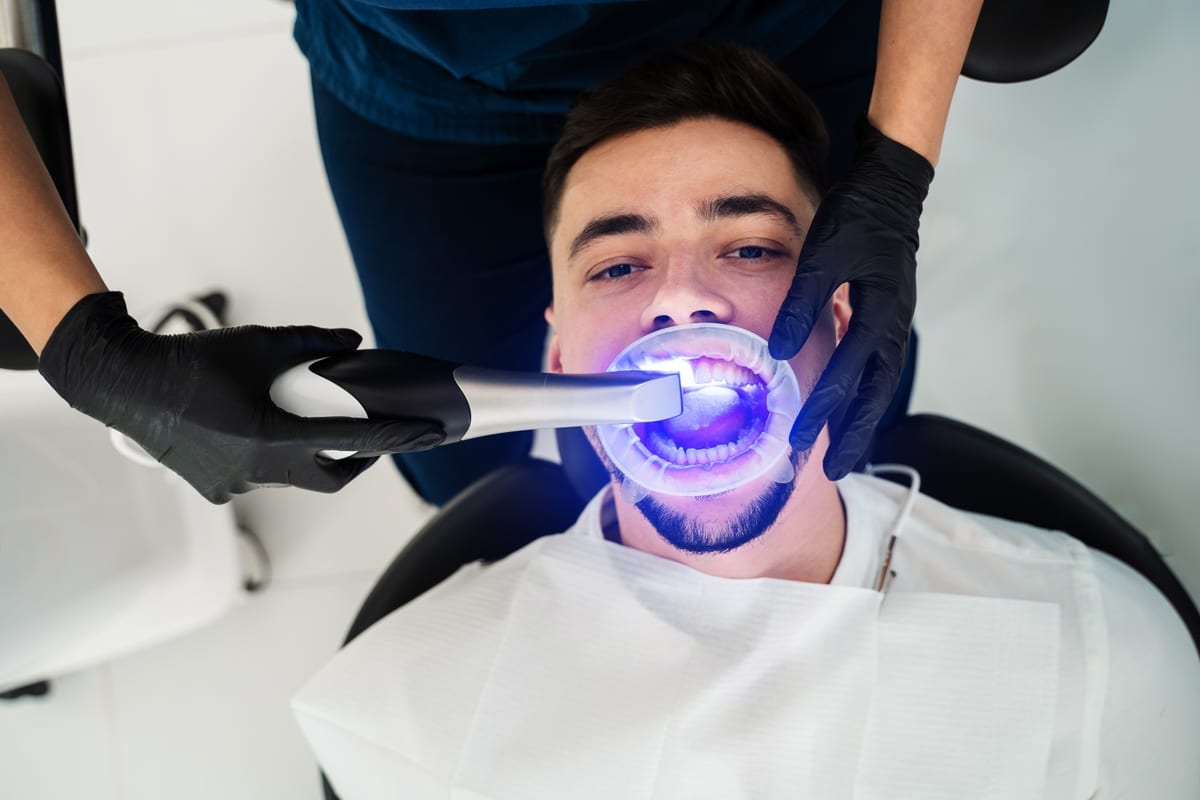
Teeth whitening is one of the most popular cosmetic treatments available today. But for many patients in Evans, teeth whitening sensitivity is a real concern that holds them back. Understanding why it happens — and how to prevent it — can make all the difference. This guide breaks down everything you need to know before, during, and after your whitening treatment.
Why Teeth Whitening Sensitivity Happens
Whitening products use active ingredients like hydrogen peroxide or carbamide peroxide. These compounds penetrate the outer enamel layer to break apart stain molecules. That same penetration can temporarily irritate the nerves inside your teeth. The result is a sharp, shooting sensation often described as zings or twinges.
Your enamel naturally contains tiny tubules that lead to the inner dentin layer. When whitening agents travel through these tubules, they stimulate nerve endings. This is why sensitivity usually spikes during or shortly after treatment. It is not a sign of damage — it is a predictable physiological response.
Some patients experience more sensitivity than others. Factors like thin enamel, existing gum recession, and cracked teeth increase the likelihood. If you already have sensitive teeth in everyday life, whitening may amplify that feeling temporarily. Knowing your risk factors helps you and your dentist plan accordingly.
How Dentists in Evans Minimize Whitening Sensitivity
Professional whitening treatments are designed with sensitivity management in mind. At Luker Dental Greeley, Dr. David Luker evaluates each patient before recommending a whitening approach. This evaluation includes checking enamel thickness, gum health, and existing restorations. Personalized planning dramatically reduces discomfort during treatment.
One common professional strategy is using lower-concentration whitening gels for longer periods. This gentler approach achieves the same results with less nerve stimulation. Dentists also apply desensitizing agents like potassium nitrate or fluoride before and after treatment. These compounds calm nerve activity and strengthen enamel at the same time.
Custom-fitted whitening trays are another important tool. Over-the-counter strips often allow gel to seep onto gum tissue. That contact irritates soft tissue and worsens overall discomfort. A perfectly fitted tray keeps the gel exactly where it belongs — on the teeth only.
Professional Cosmetic Dentistry Evans services offer another advantage: in-office monitoring. Your dentist can pause treatment, adjust concentration, or apply desensitizers mid-session. That level of real-time control simply is not available with at-home kits.
What You Can Do at Home Before and After Whitening
Your at-home habits play a significant role in managing sensitivity. Following a few key steps before your appointment can set you up for a more comfortable experience. Here are practical tips Evans patients can use right away:
- Switch to a sensitivity toothpaste at least two weeks before whitening. Look for potassium nitrate as an active ingredient.
- Avoid acidic foods and drinks like citrus, soda, and vinegar-based sauces the day before treatment.
- Use a soft-bristled toothbrush to avoid further enamel wear before your appointment.
- Apply a desensitizing gel or tooth mousse recommended by your dentist in the days leading up to treatment.
- Skip whitening if you have active cavities or cracked teeth — get those treated first through Restorative Dentistry Evans services.
After whitening, give your teeth time to recover. Avoid extremely hot or cold foods for at least 24 to 48 hours. Your enamel tubules remain temporarily open after treatment, making temperature extremes more painful. Sticking to room-temperature foods and drinks during this window makes a big difference.
Continue using sensitivity toothpaste after treatment as well. Many patients find that brushing with it twice daily keeps post-whitening discomfort manageable. Some dentists also recommend wearing desensitizing trays overnight for a day or two following treatment. Ask Dr. David Luker what post-care routine is right for your specific situation.
When Sensitivity Is a Sign of Something More
Most whitening sensitivity is temporary and resolves within 24 to 72 hours. However, there are situations where sensitivity signals an underlying dental issue. Sharp, lingering pain after whitening deserves a closer look from your dentist. Do not simply push through discomfort that feels different from normal post-whitening sensitivity.
Sensitivity that lasts longer than a week may indicate enamel erosion. It could also point to an untreated cavity, a cracked tooth, or exposed root surfaces. Whitening agents do not cause these conditions — but they can reveal them. Treating these issues promptly protects your long-term dental health.
Patients with existing dental restorations like crowns or veneers should also consult their dentist before whitening. Whitening agents do not change the color of artificial materials. This means natural teeth may lighten while restorations stay the same shade. A professional evaluation helps you set realistic expectations and avoid mismatched results.
Building a Comfortable Whitening Plan That Works for You
There is no one-size-fits-all approach to teeth whitening. Some patients do well with in-office treatments completed in a single session. Others benefit from a gradual at-home whitening plan spread over several weeks. The right approach depends on your enamel strength, sensitivity baseline, and whitening goals.
Dr. David Luker and the team at Luker Dental Greeley take the time to create individualized plans. Here is what a well-structured whitening consultation typically includes:
- A full dental exam to check for cavities, cracks, and gum issues
- A review of your sensitivity history and current enamel condition
- A discussion of your whitening goals and timeline
- Selection of the most appropriate whitening concentration and delivery method
- Pre-treatment application of desensitizing agents if needed
Following this process helps patients in Evans achieve brighter smiles without unnecessary discomfort. The goal is always results that look natural and feel comfortable. With the right preparation and guidance, sensitivity does not have to stand between you and a confident smile.
If you are ready to brighten your smile safely and comfortably, the team at Luker Dental Greeley is here to help. Book Now to schedule your appointment with our team.
Frequently Asked Questions
Is teeth whitening sensitivity normal?
Yes, sensitivity during and after whitening is a very common and expected response. It occurs because whitening agents temporarily open tiny tubules in your enamel. This allows agents to reach inner nerve endings. Sensitivity typically resolves within 24 to 72 hours after treatment.
How can I reduce sensitivity before a whitening appointment?
Start using a sensitivity toothpaste with potassium nitrate at least two weeks before your appointment. Avoid acidic foods and drinks in the days leading up to treatment. Use a soft-bristled toothbrush to minimize additional enamel wear. Ask your dentist about applying a desensitizing gel beforehand for extra protection.
Can I whiten my teeth if I already have sensitive teeth?
Yes, but you should consult your dentist first. Dr. David Luker can assess your enamel condition and recommend a lower-concentration whitening option. Custom trays and pre-treatment desensitizing agents can make the process more comfortable. Many patients with existing sensitivity successfully whiten their teeth with professional guidance.
How long does whitening sensitivity last?
For most patients, sensitivity fades within one to three days after treatment. Avoiding temperature extremes and using sensitivity toothpaste speeds up recovery. If discomfort lasts longer than a week, contact your dentist. Prolonged sensitivity may indicate an underlying dental issue that needs attention.
Is professional whitening safer than over-the-counter kits for sensitive teeth?
Professional whitening is generally safer for patients prone to sensitivity. Dentists use custom trays that prevent gel from irritating gum tissue. They also monitor your comfort during treatment and can apply desensitizing agents in real time. Over-the-counter products lack this level of personalized oversight and control.