Pay Online

Why Your Dental Crown Might Only Last 10 Years

Understanding why your dental crown might only last 10 years in Greeley can save you time, discomfort, and money. Dental crowns are durable — but they are not permanent. Many patients assume a crown lasts a lifetime. The reality is more nuanced, and knowing what affects crown longevity helps you protect your investment.
At Luker Dental Greeley, Dr. David Luker helps patients understand exactly what their restorations need to thrive. This article explains how long crowns typically last, what shortens their lifespan, and the warning signs that yours may need replacing soon.
How Long Do Dental Crowns Actually Last in Greeley?
Most dental crowns last between 10 and 15 years. Some well-maintained crowns last 20 years or longer. Others fail within 5 to 7 years due to avoidable habits and conditions. The lifespan depends heavily on the material used and how well you care for your teeth.
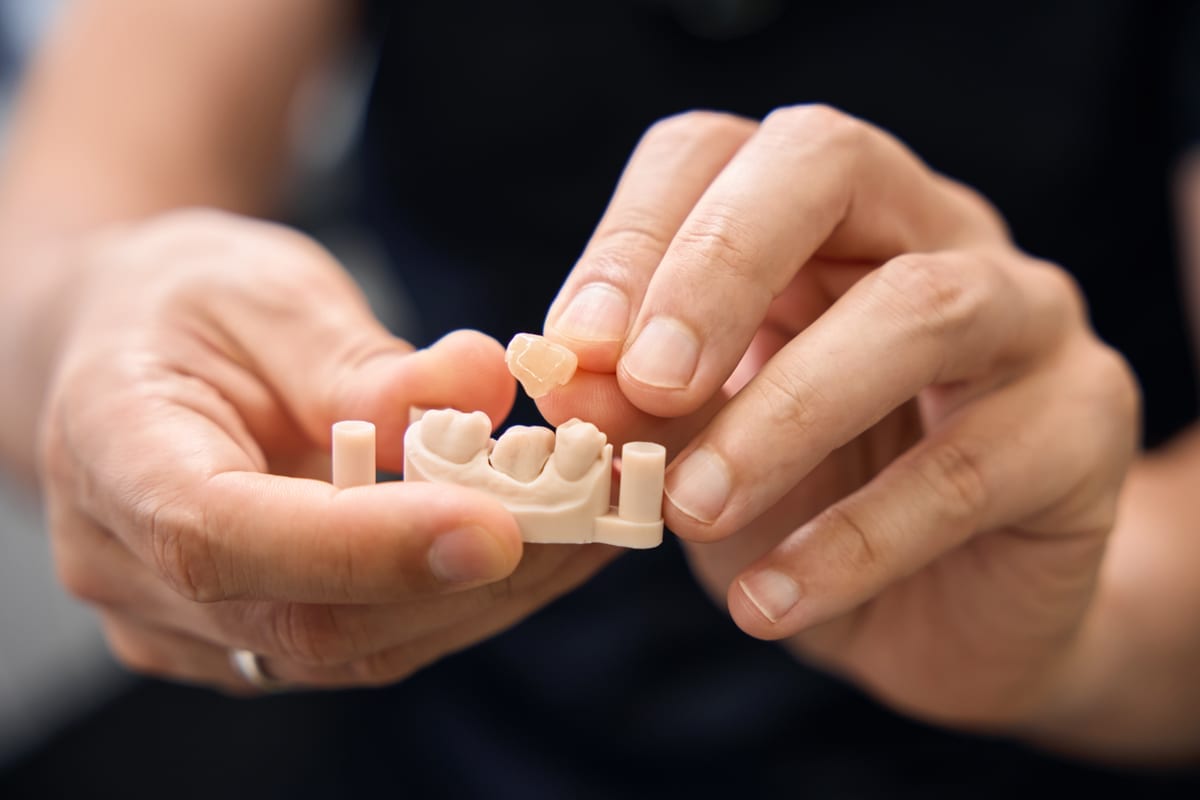
Common crown materials include porcelain, zirconia, porcelain-fused-to-metal, and gold. Zirconia and gold crowns tend to be the most durable. All-porcelain crowns look natural but can chip more easily under pressure. Your dentist will recommend the best material based on the tooth’s location and your bite.
Crowns on back molars face more pressure during chewing. They often wear down faster than crowns on front teeth. Regular checkups at Luker Dental Greeley allow Dr. Luker to monitor crown condition before problems worsen.
What Shortens Your Crown’s Lifespan?
Several habits and conditions actively shorten how long a dental crown lasts. Understanding these factors helps you make smarter daily choices. Here are the most common causes of premature crown failure:
- Teeth grinding (bruxism): Grinding places extreme pressure on crowns, especially overnight. This can crack or chip the crown material over time.
- Chewing hard foods: Ice, hard candy, and popcorn kernels can fracture even strong crowns.
- Poor oral hygiene: Bacteria accumulate at the crown margin near the gumline, causing decay in the underlying tooth.
- Nail biting or chewing on objects: These habits create uneven pressure that weakens crown integrity.
- Consuming highly acidic foods and drinks: Acid erodes the cement holding the crown in place over time.
- Skipping dental checkups: Undetected issues worsen without professional monitoring.
Teeth grinding is particularly damaging for Greeley patients who experience high stress. A custom nightguard from Dr. Luker can protect your crown significantly. Do not underestimate how much overnight grinding impacts your dental work.
Diet also plays a major role. Greeley’s active outdoor lifestyle is wonderful, but some snack habits work against your dental restorations. Choosing softer foods and avoiding hard, sticky snacks extends crown life considerably.
Poor Oral Hygiene and Crown Longevity
A dental crown does not protect the tooth from all decay. The tooth underneath the crown can still develop cavities. Bacteria sneak in at the edge where the crown meets the gumline. This area is called the crown margin.
Brushing twice daily is essential. Flossing around your crown removes plaque the toothbrush misses. Many patients skip flossing near crowns out of fear of dislodging them. Flossing is safe and critical for crown health.
As part of Restorative Dentistry Greeley, Dr. Luker emphasizes that crown longevity starts with daily hygiene. Neglecting brushing and flossing around a crown accelerates decay beneath the restoration. Once decay forms under a crown, the crown usually needs to be replaced entirely.
Professional cleanings every six months remove tartar buildup that home brushing cannot address. These appointments also let Dr. Luker examine your crown for early signs of wear, loosening, or margin gaps.
Warning Signs Your Crown Needs Replacing
Your crown will often signal trouble before it fails completely. Recognizing these signs early allows for simpler, less costly treatment. Do not wait until you feel severe pain to seek help.
Watch for these key warning signs:
- Sensitivity to hot or cold: This can indicate decay beneath the crown or a crack in the material.
- Pain when biting: A crown that causes pain under pressure may be cracked or poorly fitted.
- Visible cracks or chips: Inspect your crown in a mirror. Visible damage is a clear replacement signal.
- Crown feels loose or wobbly: The dental cement may have worn away, allowing bacteria to enter.
- Gum recession near the crown: This exposes the tooth root and crown margin to bacteria and decay.
- Dark line at the gumline: This often indicates the crown margin has become exposed or compromised.
If you notice any of these signs, contact Luker Dental Greeley promptly. Waiting allows damage to progress. In many cases, early intervention avoids the need for a full tooth extraction.
Emergency situations like a crown falling off also happen. Dr. Luker offers emergency dentistry services to address sudden crown failures quickly. Keep your fallen crown safe and call the practice right away.
How to Maximize Your Crown’s Lifespan in Greeley
Protecting your crown does not require complicated steps. Consistent habits make the biggest difference over time. Here is what Dr. Luker recommends to every crown patient at Luker Dental Greeley:
Wear a nightguard if you grind your teeth. Ask Dr. Luker at your next appointment whether grinding is affecting your crown. A custom-fitted guard is far more effective than over-the-counter options from a pharmacy.
Maintain strong daily hygiene with brushing and flossing. Use a non-abrasive fluoride toothpaste. Avoid whitening toothpastes near porcelain crowns, as abrasives can scratch and dull the surface.
Schedule regular checkups every six months. These visits allow Dr. Luker to catch early crown issues before they become serious. X-rays can reveal decay beneath a crown that is not yet visible or painful.
If your crown is aging and showing wear, ask about replacement options. Modern crowns are stronger and more lifelike than ever before. Combining crown replacement with Cosmetic Dentistry Greeley options like veneers or bonding can also improve the overall appearance of your smile at the same time.
Frequently Asked Questions
How long does a dental crown last on average?
Most dental crowns last 10 to 15 years with proper care. Some last 20 years or more. Factors like teeth grinding, diet, and oral hygiene significantly affect how long your specific crown will last.
Can a dental crown get a cavity underneath it?
Yes, the natural tooth underneath a crown can still develop decay. Bacteria can enter at the crown margin near the gumline. Brushing, flossing, and regular professional cleanings help prevent this from occurring.
What happens if my dental crown falls off?
Keep the crown safe and contact Luker Dental Greeley as soon as possible. Dr. Luker offers emergency dentistry services for situations like this. In many cases, a fallen crown can be re-cemented if the tooth underneath remains healthy.
Is it painful to have a dental crown replaced?
Crown replacement is typically straightforward and comfortable with local anesthesia. Sedation dentistry options are also available at Luker Dental Greeley for patients who feel anxious about dental procedures.
What is the best material for a long-lasting dental crown?
Zirconia and gold crowns tend to be the most durable options. Porcelain-fused-to-metal crowns offer a balance of strength and aesthetics. Dr. Luker will recommend the best material based on the location of the tooth and your individual bite pressure.
Your dental crown is a significant investment in your oral health. Taking care of it extends its life and protects the tooth underneath. If your crown is aging, showing wear, or causing discomfort, do not delay getting it evaluated. Dr. David Luker and the team at Luker Dental Greeley are here to help you maintain a healthy, lasting smile. Book Now to schedule your appointment with our team.