Pay Online

Does Dental Bonding Last? What Really Determines Your Results

If you’ve been considering a smile upgrade, you may be asking: does dental bonding last, and what really determines your results in Greeley? It’s a smart question. Understanding longevity before you invest in any cosmetic treatment helps you plan wisely. At Luker Dental Greeley, Dr. David Luker helps patients make informed decisions every day.
Dental bonding is one of the most popular options under Cosmetic Dentistry Greeley patients seek out. It’s affordable, fast, and delivers visible results. But how long it lasts depends on more than just the procedure itself.
What Is Dental Bonding and How Long Does It Typically Last?
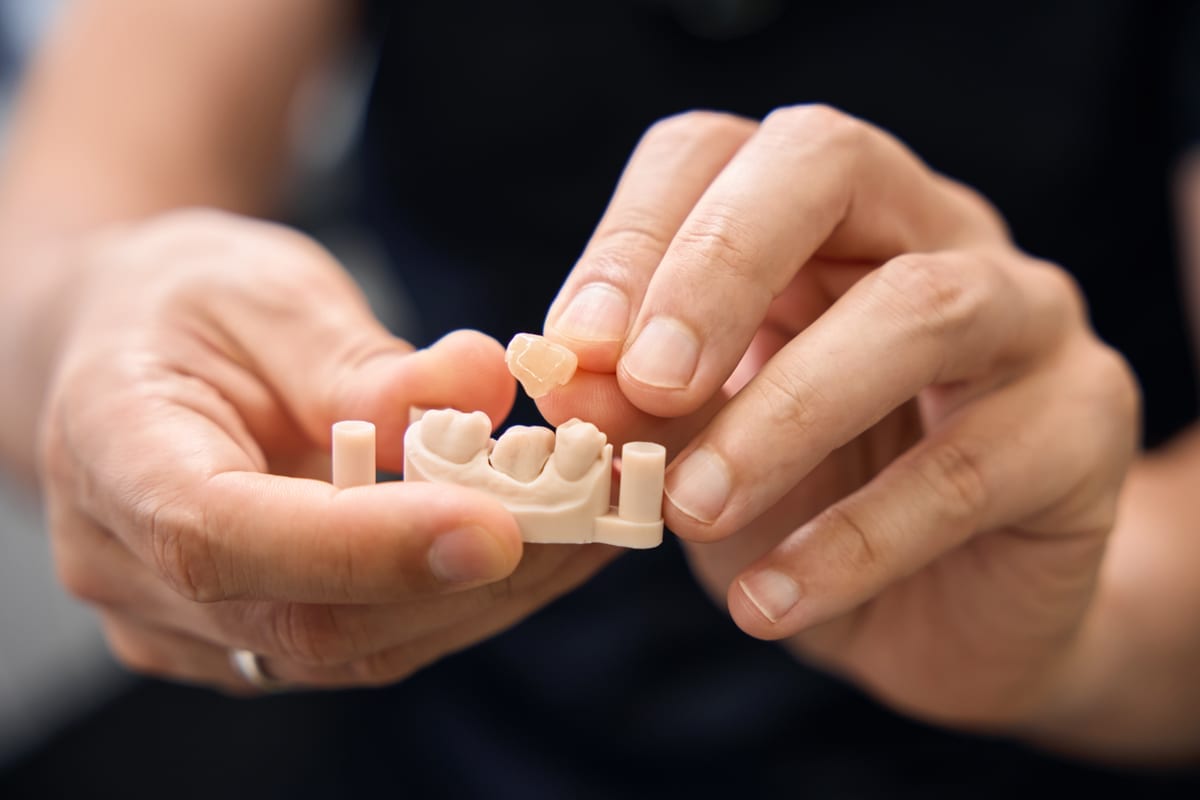
Dental bonding uses a tooth-colored composite resin applied directly to the tooth’s surface. Dr. Luker shapes and polishes the resin to blend seamlessly with your natural smile. The process usually takes just one appointment.
On average, dental bonding lasts between 5 and 10 years. Some patients see results closer to 3 years. Others maintain their bonding well beyond a decade. The range is wide because durability depends heavily on individual habits and care.
Bonding resin is not as hard as natural enamel or porcelain. That means it can chip, stain, or wear down faster under certain conditions. Knowing those conditions helps you protect your investment.
Key Factors That Determine How Long Your Bonding Lasts in Greeley
Several variables directly affect whether your bonding holds up over time. Some are within your control. Others relate to the nature of the treatment itself. Here are the most important factors to understand:
- Bite force and alignment: Patients who clench or grind teeth put extra pressure on bonded areas, accelerating wear.
- Diet choices: Hard foods like ice or hard candy can chip the resin. Frequent consumption of staining foods and drinks speeds up discoloration.
- Oral hygiene habits: Consistent brushing and flossing protect the tooth underneath and maintain the bond’s edge seal.
- Location of the bonding: Bonding on front teeth used for biting tends to wear faster than bonding on side surfaces.
- Quality of application: Skilled placement by an experienced dentist like Dr. Luker directly impacts how well the bonding adheres long-term.
Understanding these factors helps you set realistic expectations. It also empowers you to take action that extends your results.
How Dental Bonding Compares to Other Cosmetic Treatments by Longevity
Bonding isn’t your only cosmetic option. Comparing treatments by expected lifespan helps you choose what fits your goals and lifestyle.
Dental Veneers — Porcelain veneers typically last 10 to 20 years. They resist staining better than composite resin. Veneers require more preparation of the tooth surface but offer superior durability.
Dental Crowns — Crowns can last 15 to 30 years with proper care. They cover the entire tooth and offer the most protection. Crowns fall under both cosmetic and Restorative Dentistry Greeley patients often need after damage or decay.
Dental Implants — Implants are the longest-lasting option, often surviving a lifetime with good oral health maintenance. They replace the root as well as the crown.
Dental bonding sits at the more accessible end of this spectrum. It costs less and requires no tooth removal. But it needs more frequent touch-ups compared to veneers or crowns.
Everyday Habits That Protect Your Bonding Results
The good news is that your daily routine makes a significant difference. Small adjustments can add years to your bonding’s lifespan. Dr. Luker recommends the following habits for all bonding patients in Greeley:
- Brush twice daily with a soft-bristled toothbrush to avoid scratching the resin surface.
- Use non-abrasive toothpaste — avoid whitening formulas that can roughen bonding material.
- Limit coffee, tea, red wine, and tobacco, which stain composite resin faster than porcelain.
- Avoid biting your nails, chewing on pens, or using teeth as tools.
- Wear a custom nightguard if you grind your teeth during sleep.
- Schedule regular cleanings and checkups at Luker Dental Greeley every six months.
These habits don’t just protect your bonding. They support your overall dental health. That combination keeps your smile looking great longer.
When to Consider Repair or Replacement
Even well-maintained bonding eventually needs attention. Knowing the signs helps you act before small issues become bigger problems. Watch for these warning signals:
If you notice chipping, rough edges, or visible discoloration, schedule a visit. Dr. Luker can often repair bonding in a single appointment without starting over. Catching wear early is always easier and less costly than full replacement.
If bonding repeatedly breaks in the same spot, that may signal a bite issue. In that case, Dr. Luker might recommend an alternative like a crown or veneer for better long-term performance. He will always discuss all your options before recommending a treatment path.
Regular dental visits allow Dr. Luker to monitor your bonding over time. He checks adhesion, surface integrity, and overall tooth health at every checkup. Early detection means simpler solutions.
Is Dental Bonding Right for You?
Dental bonding works beautifully for many patients in Greeley. It’s ideal for fixing chips, small gaps, minor discoloration, and misshapen teeth. The procedure is quick, comfortable, and requires no anesthesia in most cases.
If you want longer-lasting results or have more significant cosmetic concerns, veneers or crowns may serve you better. Dr. Luker will assess your specific situation during a consultation. He takes time to explain exactly what to expect based on your dental health, bite, and goals.
The right treatment depends on your unique needs — not a one-size-fits-all answer. At Luker Dental Greeley, every recommendation starts with a thorough evaluation and honest conversation.
Ready to find out if dental bonding is the right choice for your smile? Book Now to schedule your appointment with our team.
Frequently Asked Questions
Does dental bonding last as long as veneers?
No — dental bonding typically lasts 5 to 10 years, while porcelain veneers can last 10 to 20 years. Veneers are made from stronger material and resist staining better. Bonding is a great option for patients who want a more affordable and reversible solution. Your dentist can help you decide which is right for your goals.
Can dental bonding stain over time?
Yes, composite resin used in bonding can stain with regular exposure to coffee, tea, wine, and tobacco. Unlike porcelain, the resin is more porous and absorbs pigments over time. Limiting staining foods and drinks helps preserve your results. Professional cleanings also help maintain the bonding’s appearance.
What happens if my dental bonding chips?
Chipped bonding can usually be repaired quickly and easily in a single dental visit. Dr. Luker will assess the damage and reapply resin as needed. Repeated chipping in the same area may indicate a bite issue worth addressing. Early repair is always simpler than waiting for further damage.
Does dental bonding require special care at home?
Bonding doesn’t require dramatic changes to your routine, but some adjustments help. Use a soft toothbrush, avoid abrasive toothpaste, and limit hard or crunchy foods. Wearing a nightguard if you grind your teeth is strongly recommended. Regular checkups at Luker Dental Greeley keep your bonding in the best possible condition.
How do I know if bonding is better than a crown for my tooth?
Bonding works best for minor cosmetic fixes like small chips, gaps, or surface discoloration. Crowns are better suited for teeth with significant structural damage or decay. Dr. Luker evaluates each case individually and explains the pros and cons of every option. A consultation is the best way to get a personalized recommendation.