Pay Online

Dental Crowns in Greeley, CO


Choosing a dental crown can feel overwhelming. Porcelain, zirconia, and metal all have distinct strengths and trade-offs. Greeley patients often ask Dr. David Luker which material lasts longest. Understanding the differences between porcelain vs zirconia vs metal crowns helps you make a confident, informed decision about your smile.
What Are Dental Crowns and Why Does Material Matter?
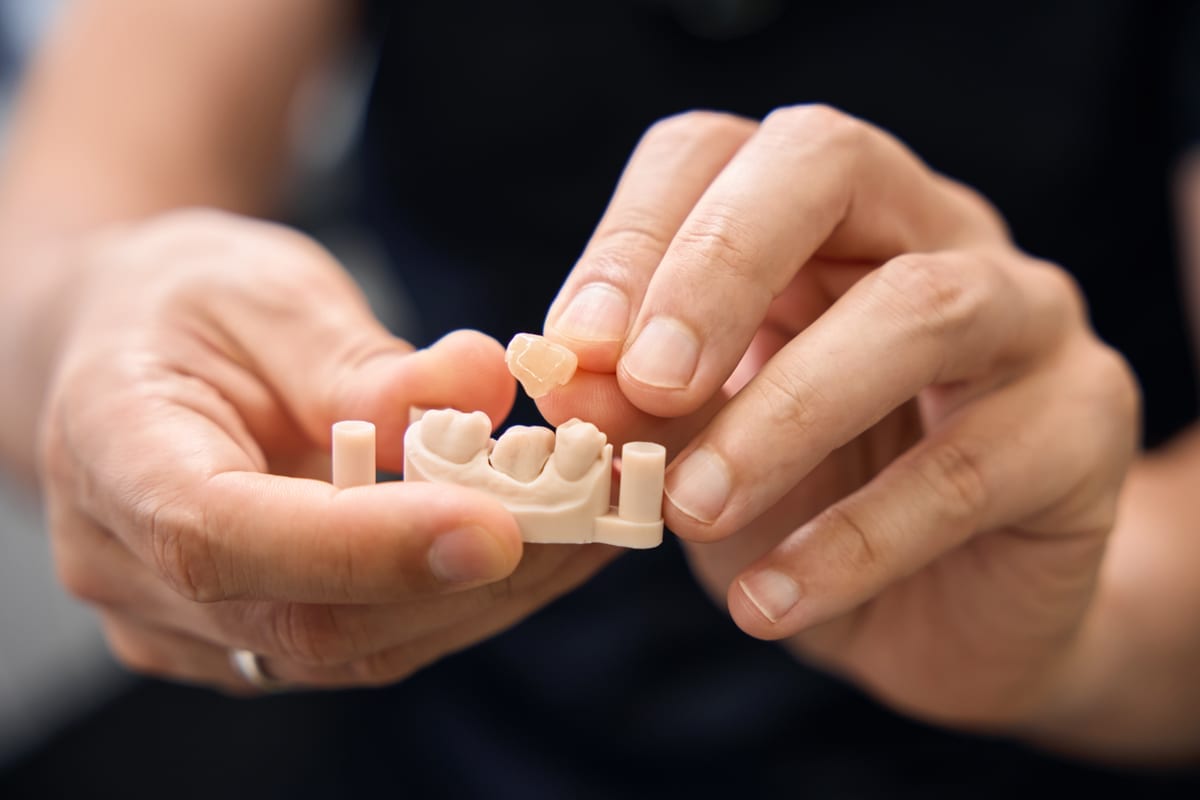
A dental crown is a cap that fits over a damaged or weakened tooth. It restores the tooth’s shape, strength, and appearance. At Luker Dental Greeley, crowns are a cornerstone of Restorative Dentistry for patients who need lasting, functional solutions.
Crown material directly affects how long your restoration lasts. It also determines how natural it looks and how well it handles chewing pressure. The right choice depends on the tooth’s location, your bite force, and your aesthetic goals.
Dr. Luker evaluates each patient individually before recommending a material. No single crown type is best for every situation. Knowing the basics helps you understand his recommendation and ask better questions during your visit.
Porcelain Crowns: Natural Aesthetics With Some Limitations
Porcelain crowns closely mimic the translucency and color of natural tooth enamel. They are the top choice for front teeth where appearance matters most. Many Greeley patients pursuing Cosmetic Dentistry goals choose porcelain for its lifelike result.
However, traditional porcelain has some durability trade-offs. It can chip or crack under heavy biting pressure over time. This makes it a less common choice for back molars that handle most chewing stress.
Here are the key advantages and drawbacks of porcelain crowns:
- Pros: Highly natural appearance, excellent color matching, ideal for visible front teeth
- Cons: More prone to chipping than zirconia or metal, may wear opposing teeth over time
- Lifespan: Typically 10–15 years with proper care
- Best use: Front teeth where aesthetics are the priority
Porcelain crowns require good oral hygiene habits to reach their full lifespan. Avoid biting hard objects or grinding your teeth without a night guard. Dr. Luker can assess whether porcelain suits your bite and lifestyle.
Zirconia Crowns: The Best of Both Worlds
Zirconia has become the most popular crown material in modern dentistry. It combines exceptional strength with a natural, tooth-like appearance. Patients in Greeley who want durability without sacrificing aesthetics often choose zirconia.
Zirconia is milled from a solid block of ceramic material. It resists cracking and chipping far better than traditional porcelain. It also handles the grinding forces of back teeth with ease.
Here is a quick breakdown of zirconia crown benefits:
- Strength: Extremely durable — resistant to fracture and wear
- Aesthetics: Natural-looking color, though slightly less translucent than full porcelain
- Biocompatibility: Metal-free and gentle on gum tissue
- Lifespan: Often 15–25 years or longer with proper care
- Best use: Back teeth, high-pressure bite areas, or patients who grind their teeth
Zirconia is also a strong choice for patients with metal sensitivities. Because it contains no metal, it rarely causes irritation or allergic reactions. Dr. Luker frequently recommends zirconia for both front and back teeth when patients want a long-lasting, metal-free solution.
Metal Crowns: Unmatched Strength for the Long Haul
Metal crowns — typically made from gold or other alloys — are the most durable option available. They rarely chip or fracture, even under extreme chewing pressure. Many dentists consider metal the gold standard for longevity in back molars.
The obvious downside is appearance. Metal crowns are highly visible and do not blend with natural tooth color. This is why they are almost never used on front teeth today.
Metal crowns do offer real clinical advantages worth considering:
- Durability: Can last 20–30 years or even a lifetime with proper care
- Tooth preservation: Requires less removal of healthy tooth structure
- Wear resistance: Extremely resistant to chips, cracks, and fractures
- Best use: Back molars where function matters more than appearance
For patients who clench or grind heavily, metal may still be the most practical long-term choice. Dr. Luker will factor in your bite habits before making a recommendation. Metal crowns remain a respected, evidence-backed solution despite newer alternatives.
Comparing All Three: Which Crown Lasts Longest in Greeley?
When comparing porcelain vs zirconia vs metal crowns, lifespan depends on several factors. Material is important, but so is placement, bite force, and daily care habits. Here is a side-by-side summary to guide your decision:
- Porcelain: 10–15 years average — best aesthetics, moderate strength
- Zirconia: 15–25+ years — strong, natural-looking, versatile
- Metal: 20–30+ years — strongest material, not aesthetic for visible teeth
Zirconia tends to win the balance of longevity and appearance for most patients. Metal still leads in raw durability for back teeth under heavy stress. Porcelain remains the preferred choice when a highly natural look is the top priority.
Dr. Luker takes a whole-patient approach when recommending crown materials. He considers your oral health history, jaw strength, and cosmetic goals together. Greeley patients leave with a recommendation that fits their unique situation — not a one-size-fits-all answer.
What to Expect During Your Crown Consultation at Luker Dental Greeley
Your crown process typically begins with a thorough examination. Dr. Luker will take X-rays and assess the health of the affected tooth. He will discuss material options based on the tooth’s location and your goals.
Most crown placements require two visits. The first visit involves preparing the tooth and placing a temporary crown. The second visit bonds the permanent crown once the lab has finished crafting it.
Here is a step-by-step overview of what to expect:
- Initial exam and X-rays to assess tooth health
- Discussion of material options — porcelain, zirconia, or metal
- Tooth preparation and temporary crown placement
- Lab fabrication of your custom permanent crown
- Permanent crown bonding and bite adjustment
The entire process is straightforward and well-tolerated by most patients. Sedation options are also available for those who feel anxious about dental procedures. Dr. Luker and his team prioritize your comfort throughout every step.
Conclusion: Making the Right Crown Choice for Your Smile
Understanding the differences between crown materials empowers you as a patient. Porcelain offers beautiful aesthetics for front teeth. Zirconia delivers strength and natural appearance for most situations. Metal provides unbeatable longevity for heavy-use back teeth.
Dr. David Luker at Luker Dental Greeley guides every patient through this decision with care and expertise. You will never feel pressured into a choice that does not fit your needs. The goal is always a crown that serves you well for years to come.
Ready to find out which crown is right for you? Book Now to schedule your appointment with our team.
Frequently Asked Questions
How long do porcelain crowns last compared to zirconia?
Porcelain crowns typically last 10–15 years with proper care. Zirconia crowns often last 15–25 years or longer. Zirconia’s greater durability makes it the better long-term option for most patients, especially on back teeth.
Is zirconia better than metal for back teeth?
Zirconia is a strong, metal-free option that works well on back teeth. Metal still holds a slight edge in raw durability for patients with very heavy bite forces or severe grinding. Dr. Luker can help you decide which material fits your specific needs.
Do metal crowns really last a lifetime?
Metal crowns are the most durable option available and can last 20–30 years or more. With excellent oral hygiene and regular checkups, some metal crowns do last a lifetime. However, lifespan also depends on bite habits and how well the crown is maintained.
Can I replace an old metal crown with a tooth-colored one?
Yes, many Greeley patients choose to replace older metal crowns with porcelain or zirconia alternatives. Dr. Luker will evaluate the underlying tooth and your goals before recommending a replacement material. Zirconia is often the preferred choice for replacing metal crowns.
Does getting a crown hurt?
The crown procedure is performed under local anesthesia, so you should not feel pain during the treatment. Some mild soreness or sensitivity is normal after the anesthesia wears off. Sedation dentistry options are also available for patients who experience dental anxiety.