Pay Online

Dental Bridges in Greeley, CO

A missing tooth might not seem urgent at first. You may think you can wait until it feels like the right time to fix it. But understanding why delaying a dental bridge costs you more than money in Greeley could change how quickly you act. Dr. David Luker at Luker Dental Greeley sees this situation regularly — and the consequences of waiting are very real.
What Happens to Your Mouth When a Tooth Goes Missing
Your teeth work as a system. When one tooth disappears, the others begin to shift. Neighboring teeth slowly drift into the empty space over weeks and months.
The jawbone beneath a missing tooth also starts to deteriorate. This process is called bone resorption. Without a tooth root stimulating the bone, your body gradually reabsorbs that bone tissue.
This bone loss changes your facial structure over time. Your cheeks may begin to look sunken. Patients often notice this change before their dentist even points it out.
Beyond appearance, shifting teeth affect your bite. An uneven bite puts extra stress on your remaining teeth. That stress leads to premature wear, cracking, and even more tooth loss down the line.
Why Delaying a Dental Bridge Costs You More Than Money in Greeley
Many Greeley patients delay treatment because they worry about the upfront cost. That thinking is understandable, but it often leads to far more expensive problems later.
When teeth shift and bone loss progresses, simpler solutions are no longer available. A dental bridge that could have been placed early may no longer fit properly. At that point, more complex and costly treatments become necessary.
Bone loss may eventually require grafting before any restoration can happen. Grafting adds time, discomfort, and expense to your care plan. What started as a straightforward bridge case becomes a multi-step process.
Adjacent teeth that drift out of alignment often need orthodontic correction too. That is another added layer of treatment — and cost — that waiting creates. Restorative Dentistry works best when problems are addressed early, before complications stack up.
How a Dental Bridge Actually Protects Your Oral Health
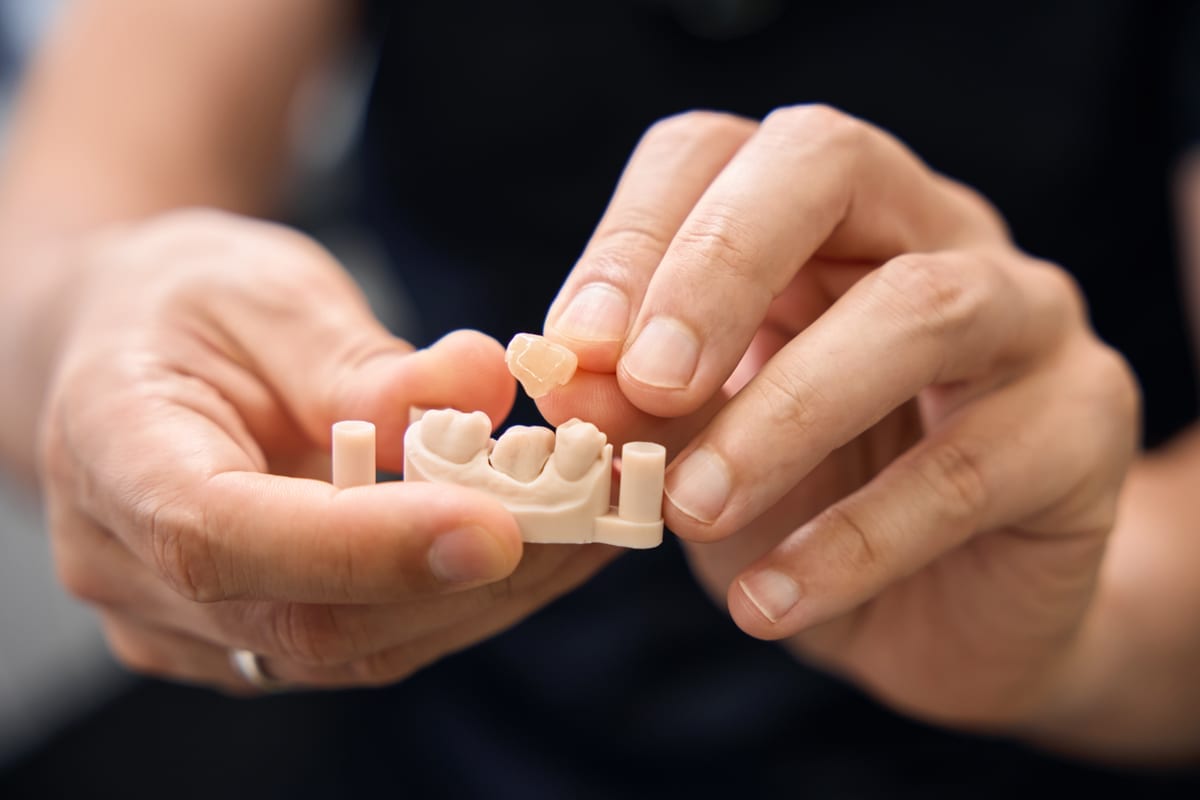
A dental bridge does much more than close a visible gap. It preserves the position of surrounding teeth by filling the empty space. When neighboring teeth have nowhere to drift, they stay aligned and functional.
A bridge also distributes chewing force evenly across your mouth. Without it, you may unconsciously chew on one side only. That imbalance creates excessive wear on a smaller group of teeth.
Bridges support the natural contour of your jaw and face. They help maintain your appearance and your confidence in daily life. Many patients tell Dr. Luker that a bridge changed how they feel about smiling again.
Here are some key benefits a dental bridge provides:
- Prevents neighboring teeth from shifting out of alignment
- Maintains jawbone stimulation in the surrounding area
- Restores normal chewing function and bite balance
- Supports the natural shape of your face and cheeks
- Improves speech affected by a missing tooth
- Boosts confidence when smiling and speaking
What to Expect When You Choose a Bridge at Luker Dental Greeley
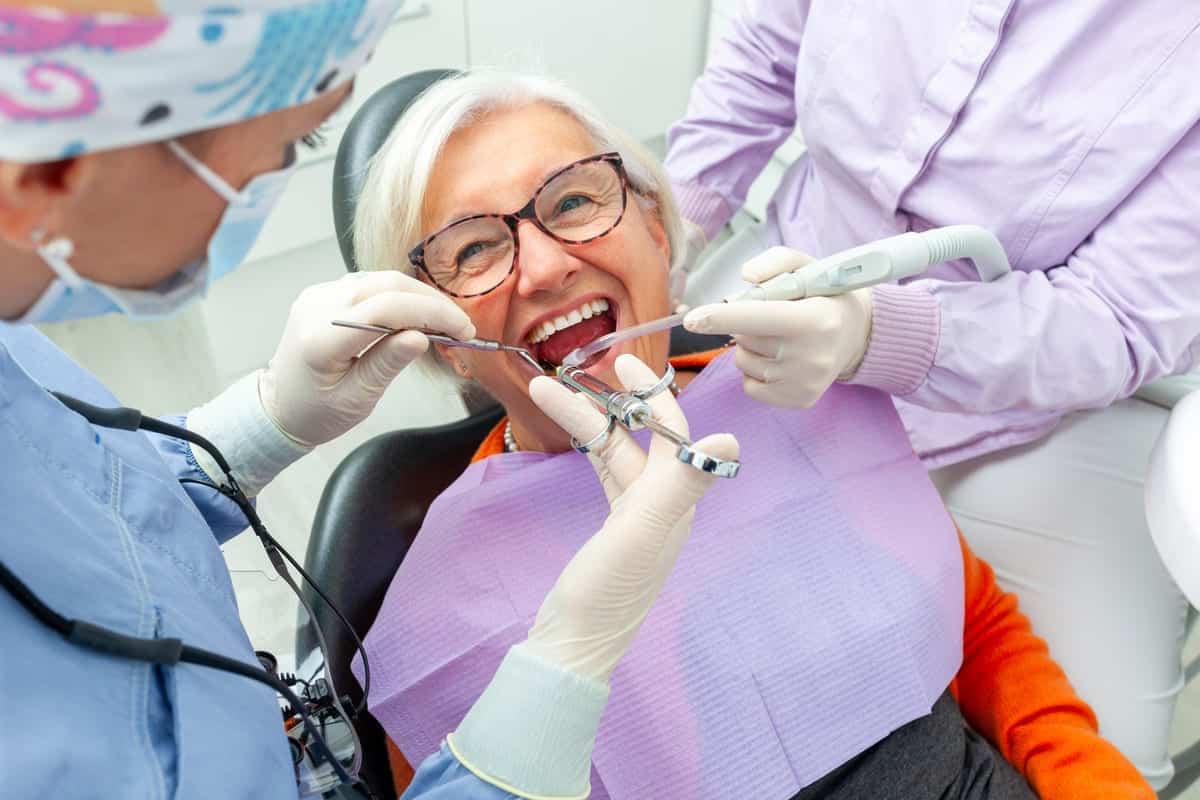
Dr. David Luker takes a thorough, patient-centered approach to every bridge case. Your first visit includes a full evaluation of the gap and surrounding teeth. Digital imaging helps assess bone health and tooth positioning.
If a bridge is the right fit for you, the process typically unfolds like this:
- The teeth on either side of the gap are gently prepared to anchor the bridge
- Impressions or digital scans are taken to design your custom restoration
- A temporary bridge protects your teeth while the permanent one is crafted
- The final bridge is placed, adjusted for your bite, and bonded securely
Most patients complete the process in two appointments. The result is a natural-looking, stable tooth replacement. Dr. Luker and the team walk you through every step so you always know what to expect.
Luker Dental Greeley also offers Cosmetic Dentistry options if you want to enhance the appearance of surrounding teeth at the same time. Many patients use the opportunity to brighten or reshape nearby teeth for a more complete smile transformation.
When a Bridge Is the Right Choice — and When Another Option May Fit Better
Dental bridges are a proven, reliable solution for most single or multiple missing teeth. They do not require surgery, and they restore function quickly. They are an excellent choice when surrounding teeth are healthy and strong enough to serve as anchors.
In some cases, dental implants may be a better long-term option. Implants replace the tooth root and actively prevent bone loss beneath the gap. Dr. Luker will discuss both options honestly based on your specific situation.
The most important step is simply getting evaluated before more damage occurs. Waiting rarely opens up better options — it usually closes them. A conversation with Dr. Luker costs nothing and gives you a clear path forward.
Conclusion: Don’t Let Waiting Become the Problem
A missing tooth is not just a cosmetic concern — it is a health issue that compounds over time. Bone loss, tooth shifting, bite problems, and higher treatment costs are all predictable outcomes of delay. Greeley patients who act early consistently have simpler, more affordable care experiences. Book Now to schedule your appointment with our team.
Frequently Asked Questions
How long can I wait before getting a dental bridge after losing a tooth?
There is no universal deadline, but most dentists recommend acting within a few months of tooth loss. Waiting longer allows bone resorption and tooth shifting to begin. The sooner you restore the space, the simpler and more effective the treatment will be.
Is a dental bridge painful to get?
The procedure is performed under local anesthesia, so you should feel little to no discomfort during the appointment. Some mild soreness after numbing wears off is normal. Dr. Luker and the team at Luker Dental Greeley prioritize your comfort throughout the entire process.
How long does a dental bridge typically last?
With proper care, a dental bridge can last 10 to 15 years or longer. Good oral hygiene, regular checkups, and avoiding habits like chewing ice or hard objects help extend its lifespan. Dr. Luker will give you specific care instructions after your bridge is placed.
Can bone loss from a missing tooth be reversed?
Once significant bone loss has occurred, it cannot reverse on its own. In some cases, bone grafting can rebuild lost volume before placing a restoration. This is why acting early — before bone loss advances — makes treatment simpler and more effective.
What is the difference between a dental bridge and a dental implant?
A dental bridge uses adjacent teeth as anchors to support a false tooth in the gap. A dental implant is a titanium post surgically placed into the jawbone to act as an artificial tooth root. Both are effective options, and Dr. Luker will recommend the best approach based on your bone health, budget, and overall oral health goals.