Pay Online

Dental Crowns in Greeley, CO


If your dentist just told you that you need a crown, you might feel confused or even a little anxious. You came in for a routine visit and left with a treatment plan you weren’t expecting. Understanding why your dentist recommended a crown today in Greeley can make that recommendation feel much less overwhelming. Dr. David Luker at Luker Dental Greeley wants every patient to understand exactly what is happening with their oral health.
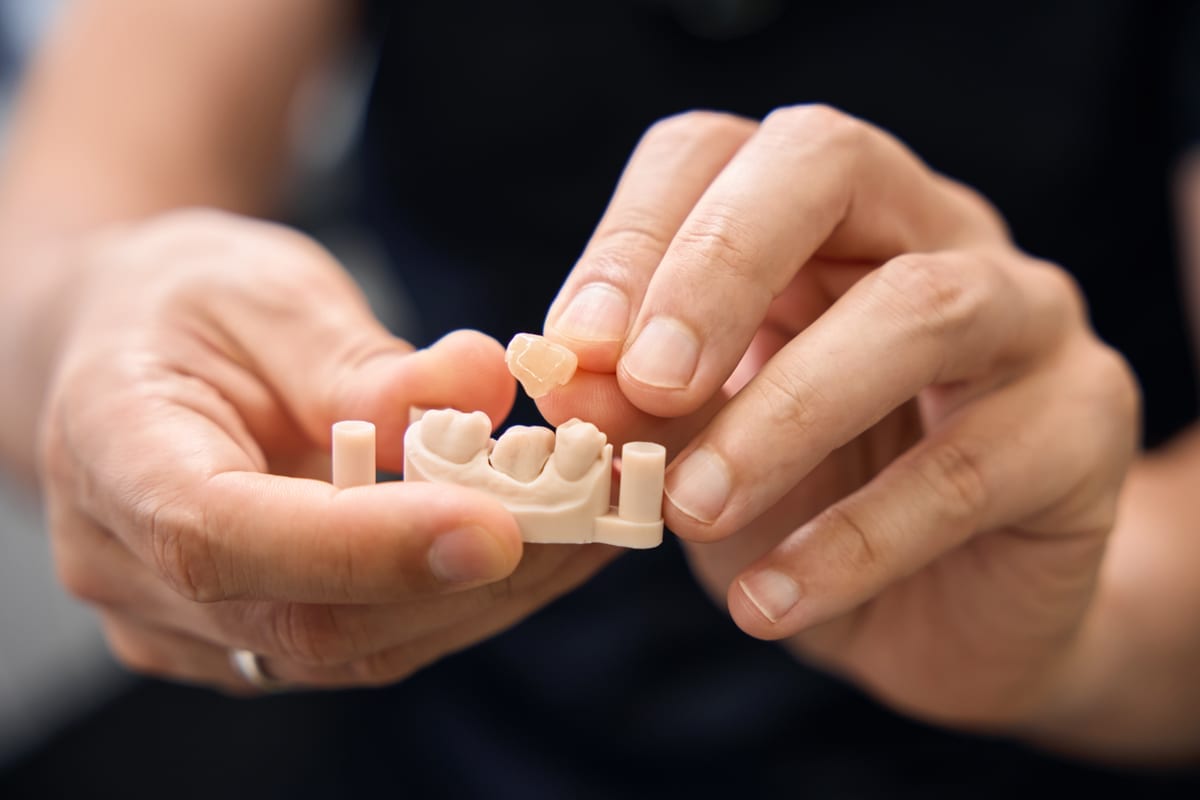
A dental crown is a cap that fits over a damaged or weakened tooth. It restores the tooth’s shape, size, strength, and appearance. Crowns are one of the most common tools in Restorative Dentistry, and there are very specific clinical reasons a dentist recommends one.
Common Reasons Your Dentist Recommends a Crown in Greeley
Dentists do not recommend crowns casually. There are clear, evidence-based reasons behind every recommendation. Each one protects your tooth from further damage or loss. Here are the most common clinical situations that lead to a crown recommendation.
- Cracked tooth: A crack can spread and eventually split the tooth entirely.
- Large filling failure: When an old filling breaks down, the remaining tooth structure may be too weak for another filling.
- Broken or fractured cusp: A broken cusp leaves the tooth vulnerable to bacteria and further fracture.
- Post-root canal treatment: A tooth that has had a root canal becomes brittle and needs protection.
- Severe decay: When decay is too extensive for a filling, a crown restores the full tooth.
Each of these situations puts your tooth at serious risk. A crown acts as a protective shell that holds everything together.
Why a Cracked Tooth Often Needs a Crown Right Away
A cracked tooth is one of the most urgent reasons to place a crown. Cracks are tricky because they are not always visible on an X-ray. Your dentist may detect one through symptoms like sharp pain when biting or sensitivity to temperature changes.
Left untreated, a crack can travel down into the root. Once the crack reaches the root, the tooth may no longer be saveable. A crown placed early can stop the crack from spreading and keep the tooth intact.
Many Greeley patients are surprised to learn that a hairline crack can cause significant pain. The crown stabilizes the tooth and eliminates that painful flexing motion every time you chew.
When a Large Filling Fails and a Crown Becomes Necessary
Old fillings do not last forever. Over time, metal amalgam fillings can expand and contract with temperature changes. This puts stress on the surrounding tooth structure. Eventually, that structure can crack or crumble.
When more than half of a tooth’s surface is covered by a filling, placing another filling is often not safe. The remaining tooth walls become too thin and fragile. Biting down with normal force could cause those walls to fracture.
A crown covers the entire visible portion of the tooth above the gum line. It distributes chewing forces evenly and prevents the tooth walls from breaking. This is why a failed large filling almost always calls for a crown rather than a replacement filling.
Your dentist will evaluate the remaining tooth structure carefully. If the walls are compromised, a crown is the most reliable long-term solution available.
Why Root Canal Teeth Almost Always Need a Crown in Greeley
After a root canal, the treated tooth loses its internal blood supply. This makes the tooth more brittle than a living tooth. Without the crown’s protection, a brittle tooth can fracture under normal chewing pressure.
Root canal treatment saves a tooth that would otherwise require extraction. But the treatment itself leaves the tooth hollow and vulnerable. Skipping the crown after a root canal is one of the most common reasons those teeth eventually break or fail.
Dr. David Luker strongly recommends crowning every root-canal-treated back tooth. Front teeth face less biting force, so individual cases vary. However, back molars and premolars bear the heaviest load and almost always need a crown to survive long-term.
- Root canal teeth are structurally weaker than healthy teeth.
- Crowns protect against fracture under chewing pressure.
- Uncovered root canal teeth have a significantly higher failure rate.
- A crown can add many years to the life of a treated tooth.
How Crowns Fit Into Your Overall Dental Health Plan
A crown is not just a repair — it is part of a broader approach to keeping your smile healthy and functional. Cosmetic Dentistry options like tooth-colored crowns also allow your restoration to blend seamlessly with your natural smile. Modern porcelain crowns look and feel like real teeth.
Dr. Luker takes a conservative approach to treatment planning. He only recommends a crown when the tooth truly needs it. His goal is always to preserve as much natural tooth structure as possible while ensuring long-term stability.
Crowns typically last between 10 and 15 years with proper care. Good brushing, flossing, and regular checkups at Luker Dental Greeley will extend that lifespan. Protecting your investment starts with understanding why the crown was recommended in the first place.
What to Expect During the Crown Process at Luker Dental Greeley
Most patients complete their crown in two appointments. The first visit involves preparing the tooth, taking impressions, and placing a temporary crown. The second visit involves cementing the permanent crown in place.
Here is a quick overview of the process:
- Your dentist numbs the area and shapes the tooth to fit the crown.
- An impression or digital scan captures the exact tooth dimensions.
- A temporary crown protects the tooth while your permanent crown is made.
- You return in one to two weeks to have the final crown placed and adjusted.
The process is straightforward and well-tolerated by most patients. If dental anxiety is a concern, Dr. Luker offers sedation options to keep you comfortable throughout both visits.
Conclusion: Your Crown Recommendation Is About Protecting Your Tooth
A crown recommendation is never made lightly. When Dr. David Luker recommends a crown, it is because your tooth is at real risk without one. Whether the cause is a crack, a failing filling, a broken cusp, or a completed root canal, the crown exists to protect your long-term oral health. Understanding the reason behind the recommendation helps you make a confident, informed decision. Book Now to schedule your appointment with our team.
Frequently Asked Questions
Why would my dentist recommend a crown instead of a filling?
When a tooth has extensive decay, a large failing filling, or significant structural damage, a filling cannot provide enough support. A crown covers the entire tooth and distributes biting forces evenly, making it the safer long-term option in those cases.
Does getting a crown hurt?
The procedure is performed under local anesthesia, so you should not feel pain during the appointment. Some mild soreness around the gum area is normal for a day or two afterward. Dr. Luker also offers sedation dentistry for patients who feel anxious about the process.
How long does a dental crown last?
With proper care, a dental crown typically lasts between 10 and 15 years. Regular brushing, flossing, and dental checkups help extend its lifespan. Avoiding habits like grinding your teeth or chewing ice also protects your crown.
Can I wait before getting the crown my dentist recommended?
Waiting is risky in most cases. A cracked tooth can split further, and a tooth with a large failing filling can fracture unexpectedly. Delaying treatment often leads to more complex and costly repairs or even tooth loss. It is best to follow your dentist’s timeline closely.
Is a crown the same as a cap?
Yes, the terms crown and cap refer to the same restoration. A crown is the clinical term, while cap is the common everyday word. Both describe a covering that fits over the entire visible portion of a damaged tooth above the gum line.