Pay Online

How Dentists Repair Dental Implants

Have you ever wondered how dentists repair dental implants when things don’t go as planned? Implants are one of the most effective and durable options for replacing missing teeth, but like any medical procedure, they might need a little maintenance or repair over time. Whether it’s due to natural wear, injury, or infection, implants can encounter issues that require professional attention.
In this blog, we will explore the process of dental implant repair, why it’s necessary, and how dentists like those at Luker Dental in Greeley can help restore your smile. We’ll cover everything from recognizing the signs that your implant needs repair to understanding the step-by-step process involved in getting it fixed. By the end of this blog, you’ll have a clear understanding of how to keep your dental implants in top shape and when to seek professional repair services.
What Are Dental Implants?
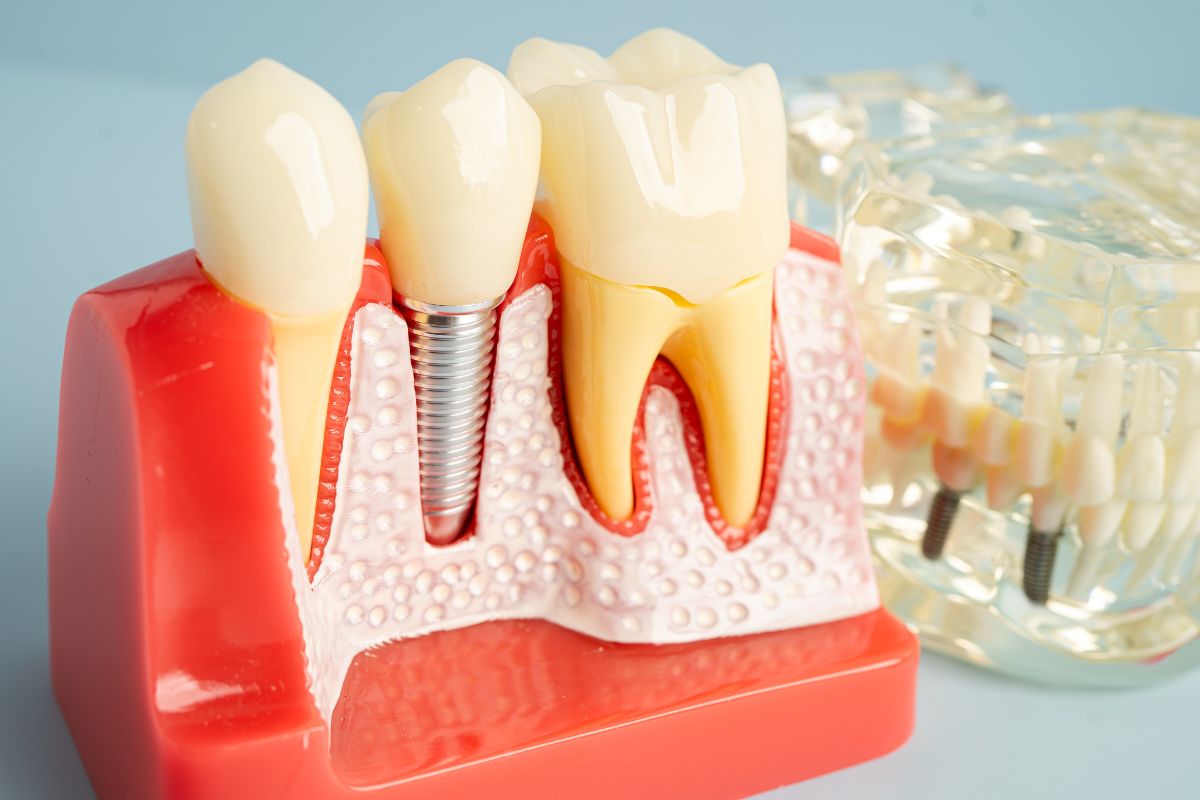
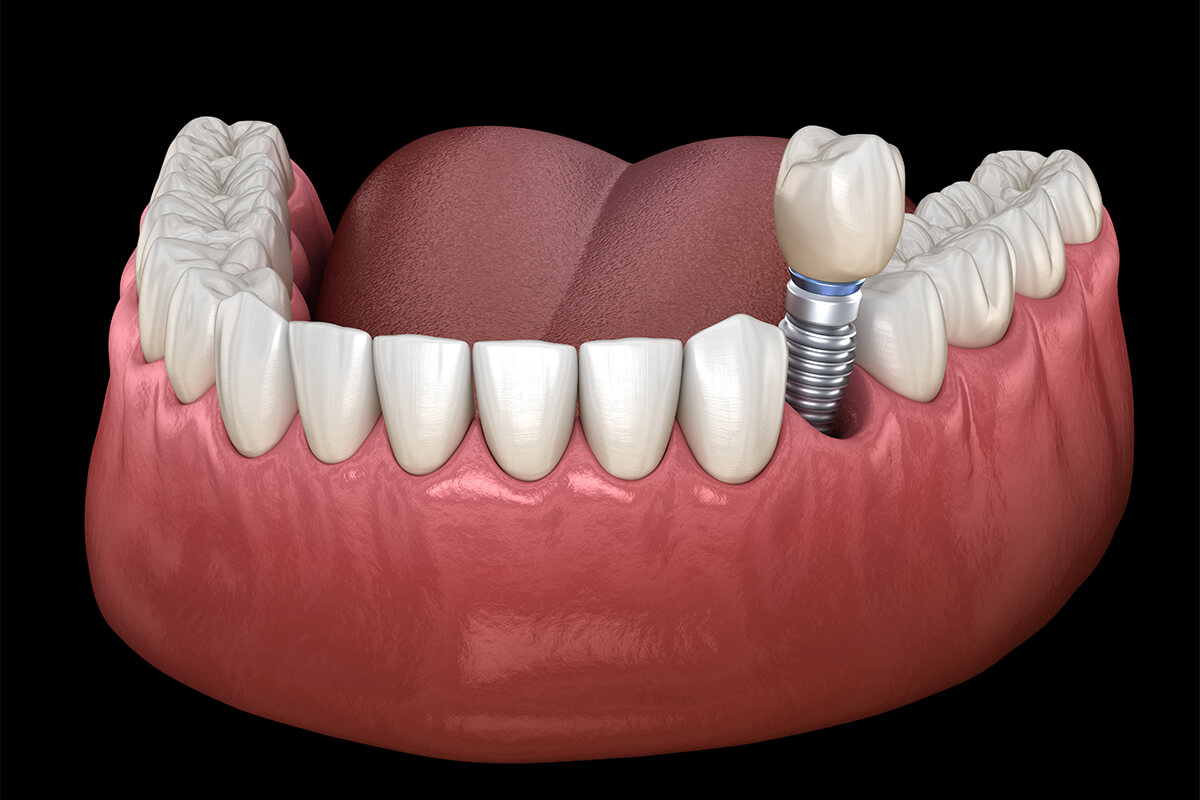
Dental implants are a revolutionary solution for replacing missing teeth. They function as a permanent base for dental prosthetics such as crowns, bridges, or dentures. The implant itself is a small titanium post that is surgically placed into the jawbone, acting as a replacement for the root of a missing tooth. Once the implant integrates with the bone, a process called osseointegration, it becomes a sturdy foundation for attaching a replacement tooth.
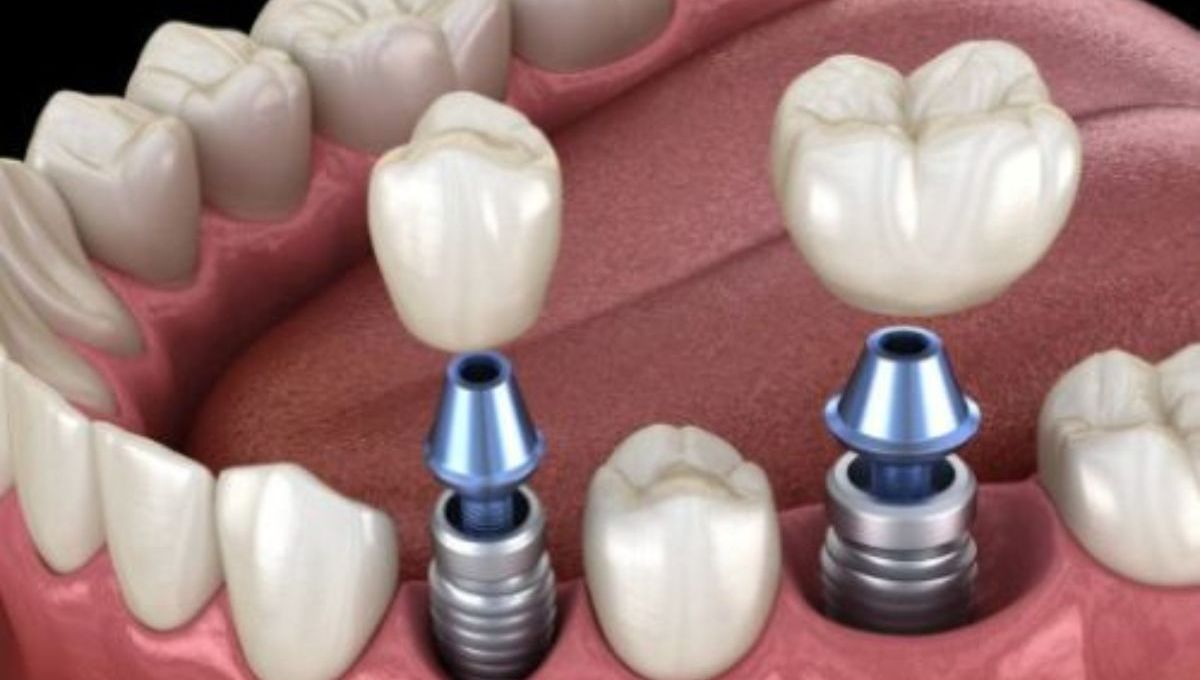
Components of a Dental Implant:
- The Post (Implant Body): This is the titanium post that is surgically inserted into the jawbone, replacing the tooth root.
- The Abutment: This piece connects the implant post to the replacement tooth (crown, bridge, or denture).
- The Crown: The visible part of the implant, designed to look and function like a natural tooth.
Implants are highly durable, but they are not immune to problems. Over time, implants may require repair due to factors such as:
- Damage: Trauma from an accident or injury.
- Loosening: Gradual loosening of the implant due to bone loss or other factors.
- Infection: Gum disease or infection at the implant site can cause complications.
- Wear and Tear: The normal stress of chewing over years can lead to implant damage.
While dental implants are designed to be long-lasting, they can encounter issues that need professional care to ensure they continue to function properly.
Signs Your Dental Implant Might Need Repair
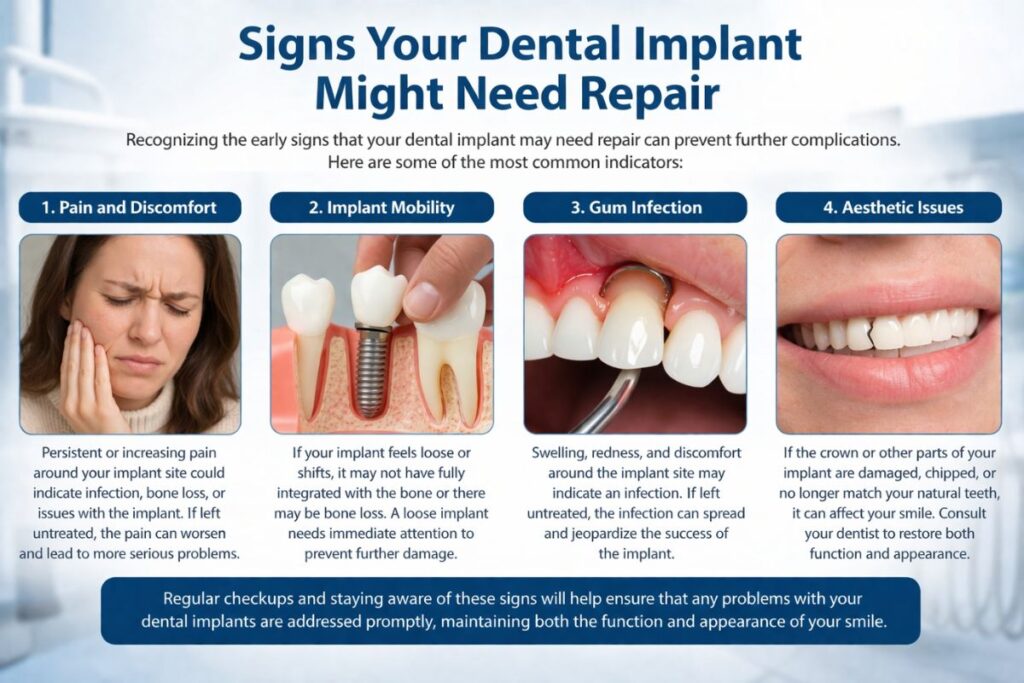
Recognizing the early signs that your dental implant may need repair can prevent further complications. Here are some of the most common indicators:
1. Pain and Discomfort:
If you experience persistent or increasing pain around your implant site, it could be a sign that something is wrong. Pain may signal infection, bone loss, or issues with the implant itself. If left untreated, the pain can worsen and lead to more serious problems.
2. Implant Mobility:
One of the more concerning signs is when your implant feels loose or shifts. This can happen if the implant has not fully integrated with the bone or if there’s been bone loss over time. A loose implant needs immediate attention to avoid further damage to the surrounding bone and tissues.
3. Gum Infection:
Infection around the implant can cause swelling, redness, and discomfort in the gums. If left untreated, infection can spread and threaten the success of the implant. It’s crucial to seek repair as soon as you notice any signs of infection.
4. Aesthetic Issues:
In some cases, the dental implant may become aesthetically compromised, especially if the crown or other parts of the implant become damaged. If the implant no longer matches the appearance of your other teeth or if it looks visibly damaged, it’s time to consult with your dentist at Luker Dental.
Regular checkups and staying aware of these signs will help ensure that any problems with your dental implants in Greeley are addressed promptly, maintaining both the function and appearance of your smile.
The Repair Process: How Dentists Fix Dental Implants
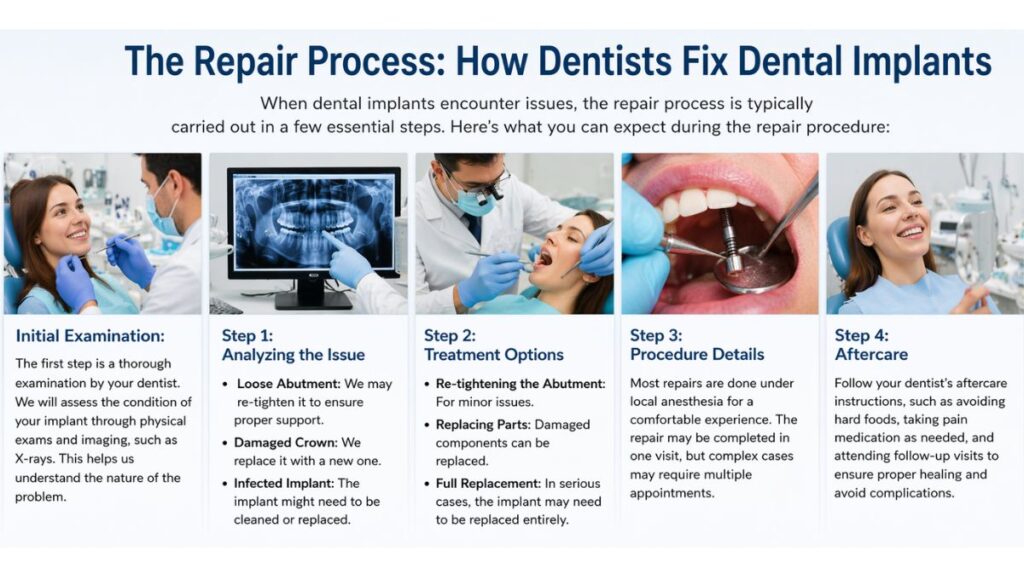
When dental implants encounter issues, the repair process is typically carried out in a few essential steps. Here’s what you can expect during the repair procedure:
Initial Examination:
The first step is a thorough examination by your dentist. At Luker Dental, we will assess the condition of your implant through physical exams and imaging, such as X-rays. This helps us understand the nature of the problem, whether it’s a loose abutment, a damaged crown, or an infected implant.
Step 1: Analyzing the Issue
Once we identify the problem, the next step is to determine the best course of action. For example:
- Loose Abutment: If the abutment is loose, we may re-tighten it to ensure proper support for the crown.
- Damaged Crown: A damaged crown can be replaced with a new one that matches your natural teeth.
- Infected Implant: In cases of infection, the implant might need to be cleaned, and in some instances, a new implant may be necessary.
Step 2: Treatment Options
Depending on the severity of the problem, there are several potential treatments:
- Re-tightening the Abutment: For minor issues, a simple re-tightening of the abutment can resolve the problem.
- Replacing Parts: If the crown or other components are damaged, they can be replaced without removing the entire implant.
- Full Replacement: In more serious cases, the implant may need to be replaced entirely if it’s failed or severely damaged.
Step 3: Procedure Details
Most dental implant repairs are performed under local anesthesia, so the procedure is relatively pain-free. The repair may be done in one visit, but more complex cases may require multiple appointments. During the procedure, your dentist will carefully fix the issue while ensuring minimal discomfort.
Step 4: Aftercare
Post-repair care is crucial to ensure the implant heals properly. Your dentist will provide specific aftercare instructions, which may include avoiding hard foods, taking pain medication as needed, and attending follow-up visits. It’s important to follow these instructions closely to avoid further complications.
Why Professional Repair Matters
The Risk of DIY Fixes:
While it may seem tempting to address an issue with your implant on your own, DIY fixes can be dangerous. Trying to adjust, tighten, or replace parts of your implant without professional help can cause further damage or lead to infection. It’s always safer and more effective to consult a professional.
Professional Care:
Professional dental care ensures that your implant repair is handled correctly, using advanced tools and techniques that maintain the integrity of the implant. At Luker Dental, our qualified team ensures that every repair is done with precision, minimizing risks and maximizing the chances of a successful outcome. Professional repair also ensures that the root cause of the problem is addressed, preventing recurring issues in the future.
Preventing the Need for Implant Repair
Preventing damage to your implants is key to ensuring they last for years. Here’s how you can care for your dental implants in Greeley to avoid repairs:
Proper Oral Hygiene:
Keeping your implants clean is essential. Regular brushing, flossing, and the use of an antibacterial mouthwash can prevent infections and maintain the health of your gums and surrounding bone.
Regular Check-ups:
Frequent visits to your dentist at Luker Dental will help identify potential problems early. During these checkups, your dentist will examine your implants for signs of loosening or infection, allowing for timely repairs if necessary.
Dietary Considerations:
Avoid hard or sticky foods that can put extra strain on your implants. By being mindful of your diet, you can protect your implants from unnecessary damage and wear.
Dental implants are a great solution for restoring your smile, but like any medical procedure, they require proper care and sometimes repair. Regular maintenance and timely intervention can prevent serious issues and extend the lifespan of your implants.
If you’re experiencing problems with your implants, don’t hesitate to reach out to Luker Dental. Book a consultation today and let us help you keep your smile healthy and strong.
People Also Ask
How long do dental implants last before needing repair?
With proper care, dental implants can last 20+ years, but repairs may be needed if issues arise, such as infection or mechanical failure.
What should I do after getting a dental implant repaired?
Follow aftercare instructions, such as avoiding hard foods and taking prescribed medications. Regular follow-up visits ensure proper healing.
How long does it take to repair a dental implant?
The time required for repair depends on the issue, but most repairs can be completed in a single visit, while more complex cases may take a few appointments.
Can a dental implant get infected?
Yes, infection is a potential risk if proper oral hygiene isn’t maintained. Regular cleanings and check-ups can help prevent infection.
Can I eat normally after a dental implant repair?
After a repair, you may need to avoid hard or sticky foods for a few days to allow the implant to heal properly. Your dentist will give specific aftercare instructions.