
Pay Online

Understanding the Benefits of Dental Bridges for Missing Teeth in Greeley

If you’re missing teeth, you might be wondering about your options for restoring both your smile and functionality. It’s natural to feel unsure about the best path forward, but the good news is that there are effective solutions available. One of the most popular and reliable options for replacing missing teeth is a dental bridge.
At Luker Dental in Greeley, we understand how tooth loss can impact your confidence, as well as your ability to speak, chew, and smile comfortably. A dental bridge can help restore your natural look and make it easier to live life to the fullest.
In this blog post, we’ll take a deep dive into the benefits of dental bridges and explain why they are a fantastic solution for people in Greeley looking to restore missing teeth. Whether you’re new to dental care or exploring your options, this guide will provide valuable insight into the world of dental bridges.
What Are Dental Bridges?
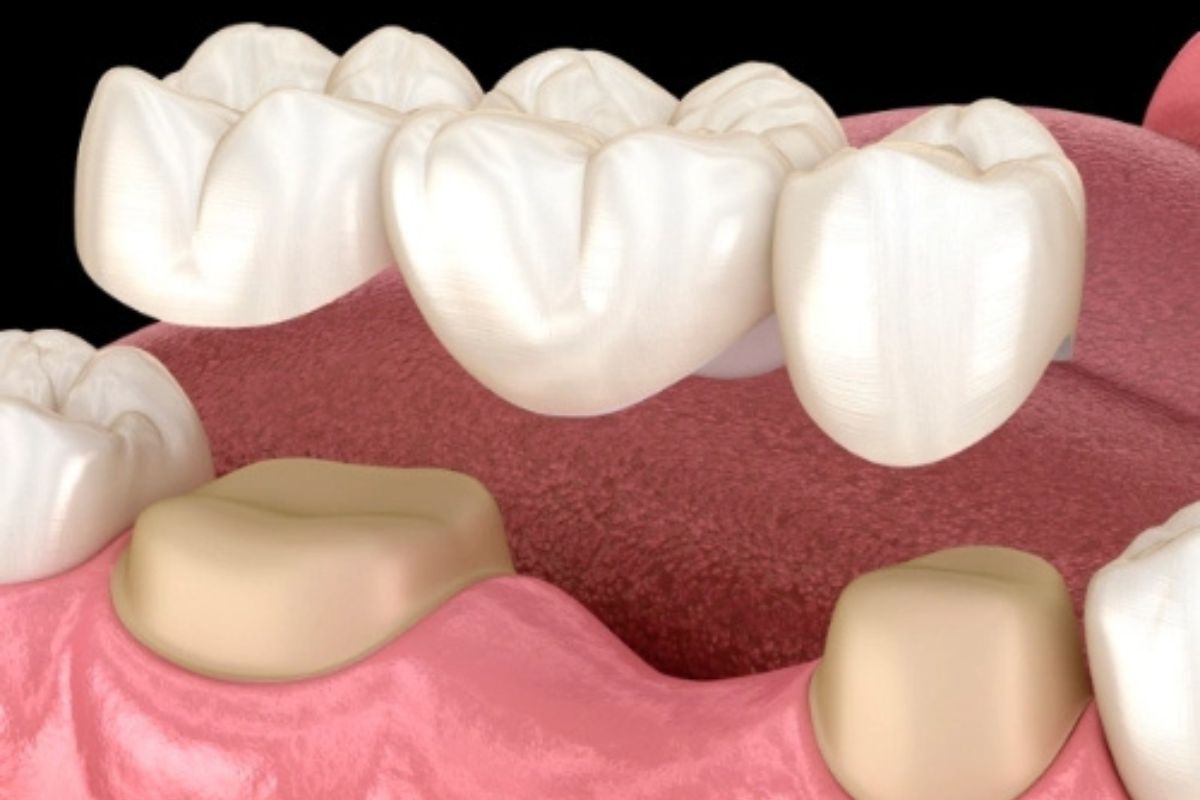
Dental bridges are prosthetic devices used to replace one or more missing teeth. They “bridge” the gap created by missing teeth, restoring both function and appearance. A bridge is typically made of porcelain, ceramics, or metal, and is custom-designed to fit the unique shape of your mouth.
A typical dental bridge consists of three primary components:
- Abutments: These are the dental crowns placed on the teeth adjacent to the gap. The abutments act as anchors, supporting the bridge.
- Pontics: The replacement teeth themselves, which fill the gap left by missing teeth. Pontics can be made of various materials to match the natural color and look of your surrounding teeth.
- Supporting Structures: In some cases, dental implants may be used to support the bridge, offering enhanced stability and durability.
The process of getting dental bridges in Greeley involves several steps. First, your dentist will assess the health of your surrounding teeth and discuss your options. Impressions of your teeth will be taken to create a custom fit.
In some cases, your dentist may need to reshape the neighboring teeth to accommodate the abutments. A temporary bridge may be placed while your permanent bridge is being made. Once ready, the bridge is cemented into place, restoring both the function and aesthetics of your smile.
The Benefits of Dental Bridges
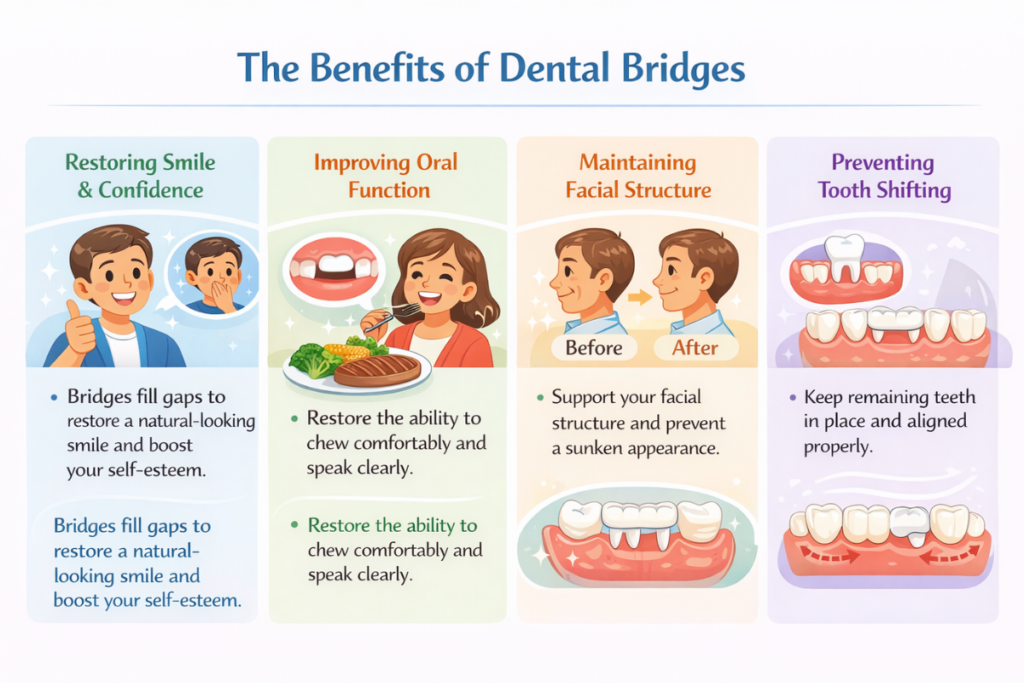
Restoring Smile and Confidence
Missing teeth can make you feel self-conscious about your appearance. Whether you avoid smiling in photos or find yourself covering your mouth when talking, it’s easy to lose confidence.
A dental bridge offers an immediate aesthetic improvement, giving you a full, natural-looking smile. In Greeley, many patients who opt for dental bridges find that the restored appearance of their teeth significantly boosts their self-esteem.
Improving Oral Function
When you lose a tooth, it’s not just about looks. Chewing and speaking can become challenging. Missing teeth can impact your ability to eat a wide variety of foods, and can even make some words harder to pronounce.
Dental bridges restore these essential functions. With a bridge in place, you’ll be able to chew comfortably and speak clearly, without worrying about the gaps in your smile.
Maintaining Facial Structure
Your teeth are an integral part of your facial structure. When teeth are lost, the surrounding areas of the face can begin to sag, causing a change in appearance over time.
A dental bridge helps maintain the integrity of your facial features by filling in the space left by the missing teeth. By restoring the structure of your mouth, a dental bridge helps prevent the sunken appearance that often accompanies tooth loss.
Preventing Tooth Shifting
After losing a tooth, the remaining teeth may start to shift toward the space. This movement can lead to alignment issues, bite problems, and difficulty cleaning your teeth properly.
A dental bridge prevents these issues by securing the remaining teeth and preventing them from drifting into the gap. This helps keep your teeth in proper alignment and ensures easier dental care.
For patients in Greeley, a dental bridge can be a transformative option. It’s an investment not only in your smile but also in your overall oral health.
Types of Dental Bridges
There are several types of dental bridges in Greeley, each designed for different needs. At Luker Dental, we work with you to determine the best option based on your specific situation.
Traditional Bridges
Traditional dental bridges are the most common type. They are used when there are healthy teeth on either side of the gap. The bridge is anchored by crowns placed over these neighboring teeth, with a pontic (replacement tooth) filling the gap.
These bridges are reliable and often made from porcelain or ceramics to blend seamlessly with your natural teeth.
Cantilever Bridges
Cantilever bridges are used when there’s only one healthy tooth next to the gap. The pontic is attached to just one abutment tooth, making it ideal for situations where the gap is not large. While cantilever bridges are a great solution in some cases, they are generally used for areas in the mouth that experience less pressure, such as the front teeth.
Maryland Bridges
Maryland bridges are a more conservative option, using a metal or porcelain framework to hold the pontic in place. Instead of crowns, the bridge is bonded to the backs of the abutment teeth.
This type of bridge is often used for replacing front teeth, as it requires less reshaping of the surrounding teeth. Maryland bridges provide a stable solution while preserving more of the natural tooth structure.
Implant-Supported Bridges
When there’s not enough healthy tooth structure to anchor a traditional bridge, an implant-supported bridge is an excellent alternative. Dental implants are surgically placed into the jawbone, acting as anchors for the bridge.
This type of bridge offers enhanced stability, durability, and a more natural feel. If you’re considering a long-term solution, implant-supported bridges are worth exploring.
The Process of Getting a Dental Bridge
The process of getting a dental bridge at Luker Dental begins with a thorough consultation and assessment. During this visit, your dentist will evaluate your oral health, take X-rays, and discuss the best options for restoring your smile.
Consultation and Assessment
During the initial consultation, your dentist will carefully examine the gap left by the missing teeth. They will also check the health of your surrounding teeth and gums to ensure that a bridge will be a viable solution.
If necessary, any existing dental issues, such as cavities or gum disease, will be addressed before proceeding.
Impressions and Fitting
Once the initial assessment is complete, your dentist will take precise impressions of your teeth to create a custom dental bridge. If the adjacent teeth require reshaping to accommodate the bridge, your dentist will gently file them down.
A temporary bridge may be placed to protect your teeth while the permanent bridge is being created in a dental lab.
Placement and Aftercare
When your permanent dental bridge is ready, you will return to Luker Dental for the final fitting. The bridge will be carefully placed and adjusted to ensure a proper fit. Once your bridge is securely cemented in place, your dentist will provide guidance on how to care for your new restoration.
Follow-up visits may be scheduled to ensure everything is healing properly and the bridge is functioning as expected.
Dental bridges are a proven and effective solution for replacing missing teeth and restoring both the functionality and aesthetics of your smile. Whether you’re looking to improve your appearance, enhance your ability to chew and speak, or maintain your oral health, a dental bridge can make a significant difference. At Luker Dental in Greeley, we offer personalized care to help you find the right solution for your needs.
If you’re ready to restore your smile and improve your quality of life, we invite you to schedule a consultation with our professional team at Luker Dental. Together, we’ll explore the best dental bridge option for you and work towards achieving a healthy, beautiful smile. Call us today to book your appointment.
FAQs
How long do dental bridges usually last?
Dental bridges commonly last between 10 and 15 years. With good oral hygiene and routine dental visits, they may last even longer.
Do dental bridges look natural?
Yes. Dental bridges are designed to match the color and shape of your natural teeth, helping them blend seamlessly with your smile.
Are dental bridges permanent?
Dental bridges are considered a fixed restoration because they are securely placed in the mouth. However, they may eventually need replacement after many years of use.
How do dental bridges help with chewing and speaking?
Dental bridges restore the missing tooth area, allowing you to chew food more comfortably and pronounce words clearly.
How should I care for a dental bridge?
Regular brushing, flossing around the bridge, and routine dental checkups help maintain the health of the bridge and surrounding teeth.