Pay Online

Is Teeth Whitening in Greeley Safe for Your Enamel? Separating Fact from Fiction

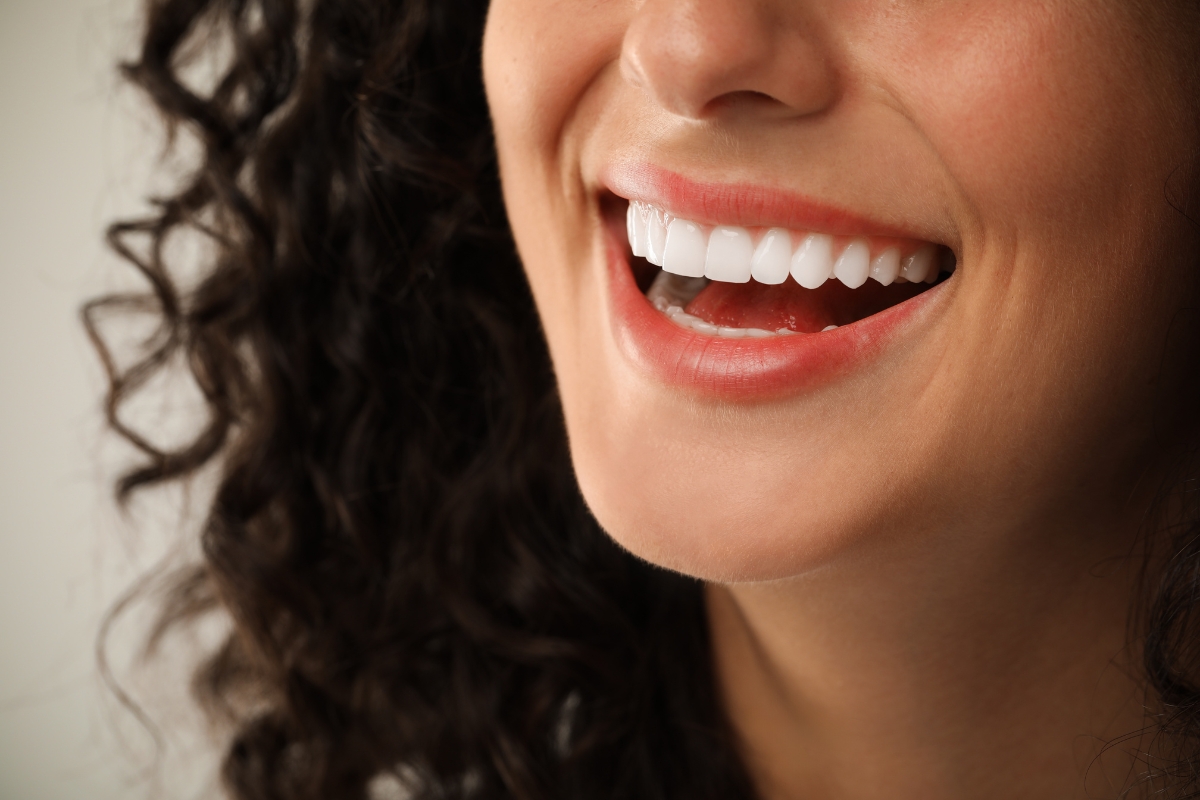
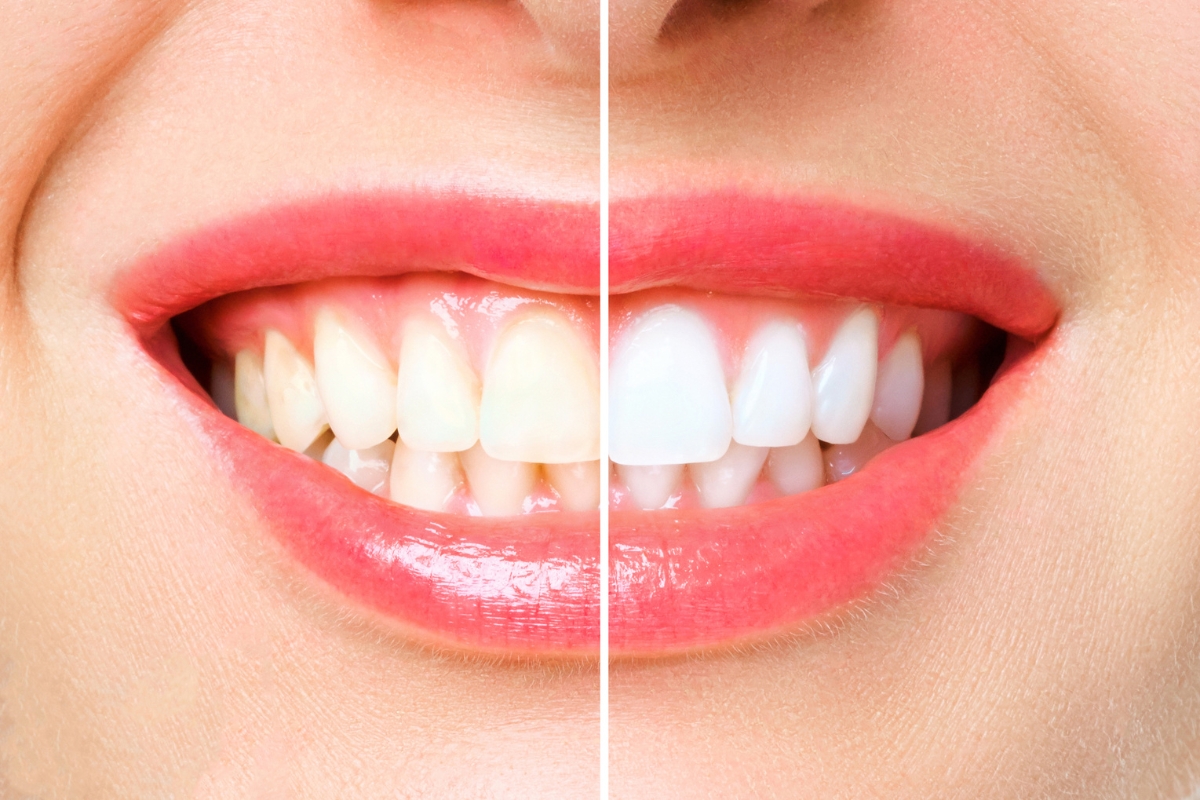
We all want a bright, white smile. Whether it’s for an occasion or just to feel more confident, teeth whitening treatments are an increasingly popular way to achieve that gleaming smile. In fact, with so many options available, one of the most asked questions is whether teeth whitening treatment could harm your enamel.
The good news is, when done correctly, teeth whitening is safe for your enamel. However, as with all cosmetic procedures, it is crucial to understand the myths and facts to make an informed decision. In this article, we take a deeper look at the science behind teeth whitening and how to protect your enamel during the procedure. By the end, you will know just what to expect and how to get the best results from teeth whitening near you.
Effects of Teeth Whitening on Your Enamel
Whitening treatments typically employ hydrogen or carbamide peroxide to break down surface stains on your teeth. These active ingredients are safe when used properly by a cosmetic dentist. Enamel is considered the hard outer surface that covers your teeth. Being strong, it can be vulnerable in cases where there is excessive acidity, physical trauma, or overuse of an abrasive whitening product.
A professional cosmetic dentist performing teeth whitening in Greeley, CO, uses the right concentration of whitening agents and applies them under controlled conditions to minimize the risk of enamel damage. Over-the-counter products contain higher levels of bleach or abrasive ingredients that can weaken your enamel when used too frequently.
Common Myths About Teeth Whitening and Enamel
Many people hear conflicting information about teeth whitening and its effects on enamel. Let’s clear some common misconceptions so you are not misinformed about this popular treatment. Here are some myths and the truth behind them:
- Myth 1: Teeth-whitening strips and treatments done at home are as effective as professional treatments.
- Fact: Professional whitening procedures at a cosmetic dentist are safer and more effective. Over-the-counter products might contain more potent chemicals or be misused, leading to enamel damage or an uneven result.
- Myth 2: Whitening of teeth causes permanent damage to enamel.
- Fact: Applied correctly, teeth whitening will not permanently destroy enamel. Professional treatments are specifically designed not to harm your teeth. Temporary sensitivity may occur but generally resolves within a few days after treatment.
- Myth 3: The more you whiten, the whiter your teeth will get.
- Fact: The truth is that using whitening products too much causes sensitivity of the teeth, going as far as to thin down the enamel. Treatment by a dentist will involve individualization to suit your whitening needs without overuse.
- Myth 4: Teeth-whitening treatments do not work on all teeth.
- Fact: Professional teeth whitening can treat a variety of stains caused by food, drinks, and smoking. Medication stains usually do not respond to whitening procedures.
- Myth 5: Teeth whitening is only for people with perfect teeth.
- Fact: Teeth whitening can be suitable for slight imperfections in the teeth. If you have crowns or fillings, your dentist can advise on whether whitening is appropriate, but it may not affect these materials.
Is Teeth Whitening Safe for Sensitive Teeth?
If you have sensitive teeth, you may be worried about how whitening treatments will affect you. Professional whitening treatments may be adjusted for people with sensitivity. Your dentist can apply whitening agents at lower concentrations and may also recommend desensitizing therapies before, during, and after the course to help alleviate discomfort.
Your dentist may recommend alternative options for those who have extreme sensitivity or recommend whitening treatments specifically designed for sensitive teeth. It is always best to consult your cosmetic dentist to find a solution that works for you.
Protect Your Smile with Professional Teeth Whitening
Taking care of your smile is critical, and whitening is a safe and effective way to enhance your smile, provided you are under professional care. A cosmetic dentist can help you achieve the bright smile desired without compromising the health of your enamel. With professional guidance from a qualified dentist, teeth whitening can be a trusted option.
If you are ready to brighten your smile and protect your enamel, Luker Dental is here to help. Our team offers safe, personalized teeth-whitening treatments tailored to your needs. Schedule a consultation today and let us help you achieve a healthier, whiter smile that lasts!
FAQs
- Does teeth whitening damage enamel?
No, professional teeth whitening treatment is safe for enamel when done correctly. A cosmetic dentist uses controlled techniques to ensure the procedure doesn’t harm your enamel. - How long do the results of teeth whitening last?
The results can last anywhere from a few months to up to two years, depending on your lifestyle and oral hygiene habits. Avoiding staining foods and drinks can help maintain your results longer. - Can I whiten my teeth if I have sensitive teeth?
Yes, there are whitening treatments designed specifically for sensitive teeth. Your cosmetic dentist can adjust the treatment to suit your needs and minimize discomfort. - Is at-home teeth whitening as effective as professional treatment?
At-home treatments may not deliver the same results or safety as professional treatments. A cosmetic dentist can achieve better, longer-lasting results with less risk of enamel damage. - How often should I whiten my teeth?
Teeth whitening should be done sparingly. Over-whitening can cause sensitivity or enamel damage. Consult with your dentist to determine the best schedule for you. - Can teeth whitening cause long-term damage?
If performed by a professional, teeth whitening is safe and does not cause long-term damage. However, improper use of over-the-counter products can increase the risk of enamel damage.